
Fine Line Tattoos
A fine line tattoo is drawn with a single needle or a tight group of a few small needles, so its lines are a fraction of a millimeter wide, usually in black with little or no shading (Tattoodo). It suits florals, script, small animals and symbols. The trade-off is that a thin line holds less ink, so the space between the lines and the spot you choose decide how well it ages; the spacing test below shows why.
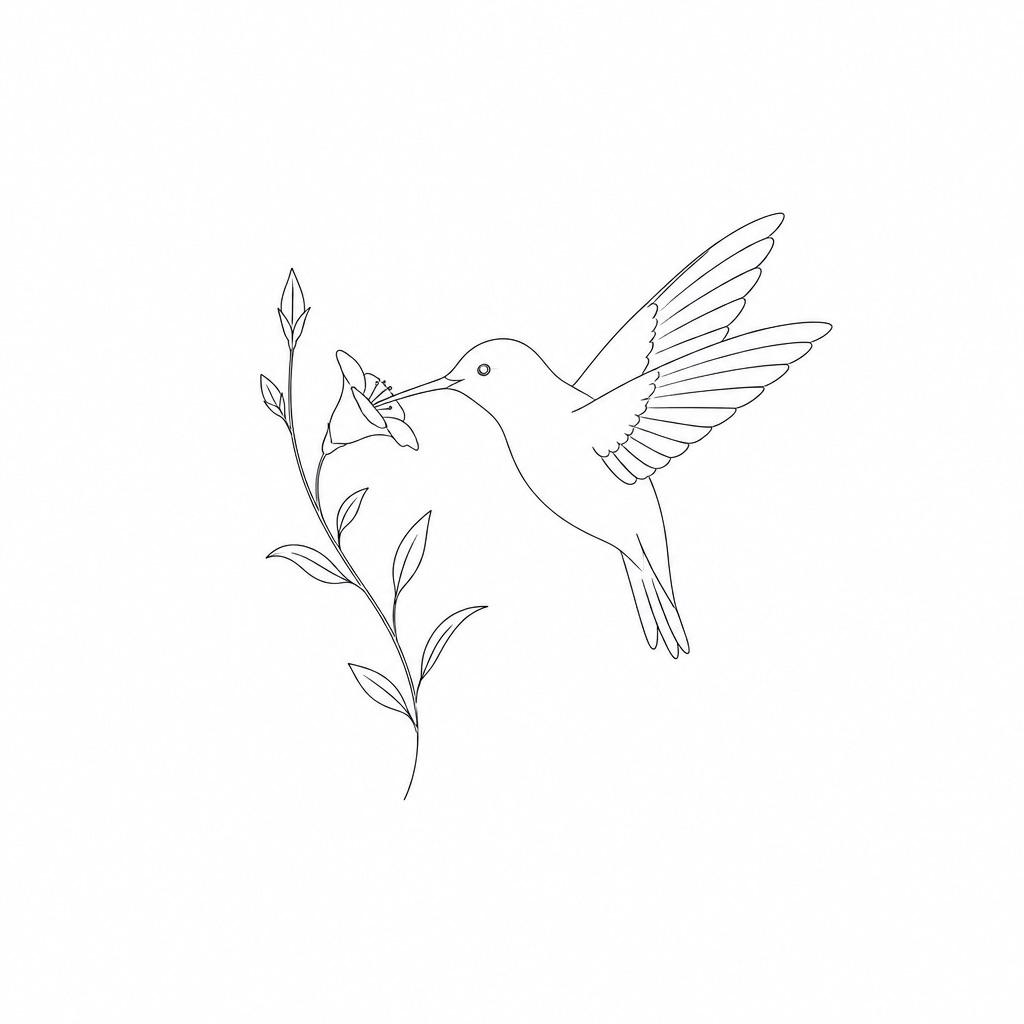
What is a fine line tattoo?
Fine line is defined by the needle, not by the subject. According to Tattoodo's style guide, fine line work uses one needle or a tight group of three, where a traditional outline may use seven or nine grouped together. The result is a line closer to a pencil stroke than a marker. Most fine line pieces are black, with open skin doing the work that heavy shading does in other styles, though artists also add light grey, small dots of stipple or a touch of color.
Each needle has its own diameter. Tattoo suppliers sell needles in gauges: Element Tattoo Supply lists a #12 "standard" needle at 0.35 mm, a #10 "bugpin" at 0.30 mm and a #08 "super-bugpin" at 0.25 mm. Fine line artists often choose the thinner gauges. A drawn line on skin starts at roughly the width of the needle or needle group that made it, and that width stays the same whatever the size of the design: shrinking a drawing on paper makes its lines thinner, shrinking a tattoo does not.
Single needle vs fine line: are they the same?
Not quite. "Single needle" means one specific setup, often written 1RL (one round liner). "Fine line" is the broader style, and it includes 1RL as well as tight groups like 3RL. Tattoodo notes that a single needle gives the thinnest line but carries the least ink, a tight three is slightly thicker and holds more, and that artists disagree on which ages better. So if you search for a single needle tattoo, you are looking at the thinnest end of fine line. Ask the artist which setup they plan for your design, and why.
| Single needle (1RL) | Fine line (1RL to 3RL) | Regular lining | |
|---|---|---|---|
| Needles in the group | 1 | 1 to about 3 | Often 7 or 9 |
| Line | Thinnest | Very thin | Bold |
| Ink per line | Least | A little more | Most |
| Typical work | Micro script, tiny symbols, micro-realism detail | Florals, script, small animals, ornaments | Traditional, blackwork, cover-ups |
Groupings and counts from Tattoodo; we found no source that measures the line width of each grouping in millimeters, so the table compares them only relative to each other.
Fine line vs micro realism, minimalist and traditional
These names get mixed up because they often appear on the same small tattoos. Keeping the subject fixed shows the difference fastest. We generated the same hummingbird four ways with an AI image model, so the only thing that changes is how the lines, shading and color are used.
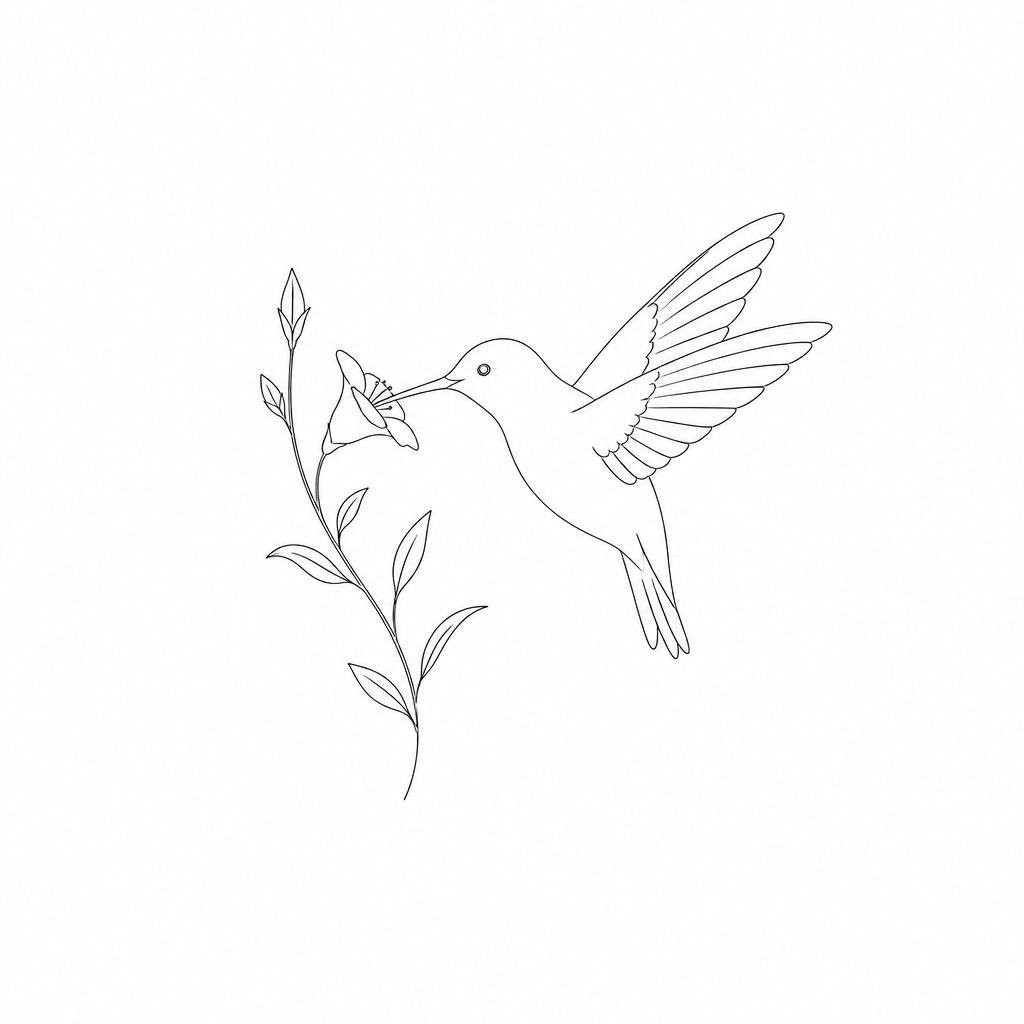 Thin linesFine line
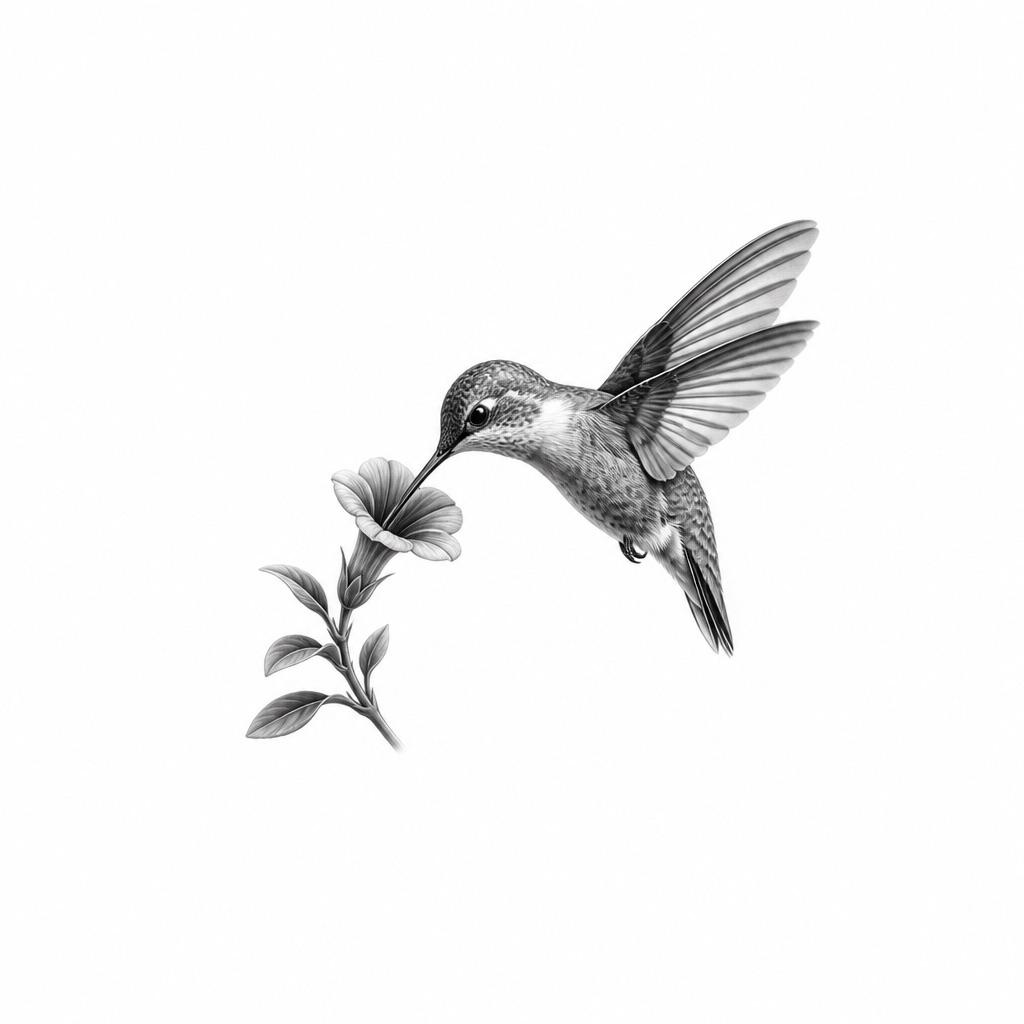 Tiny shadingMicro-realism
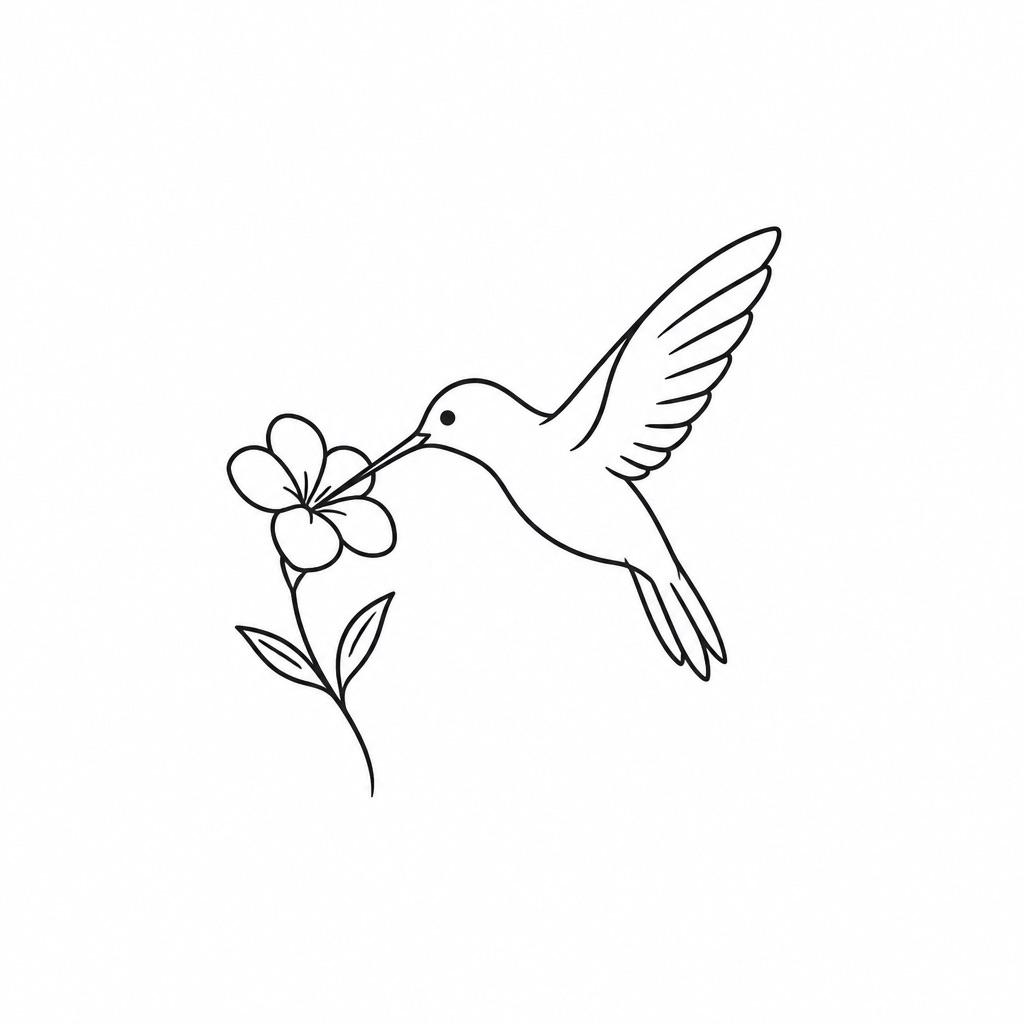 Few linesMinimalist
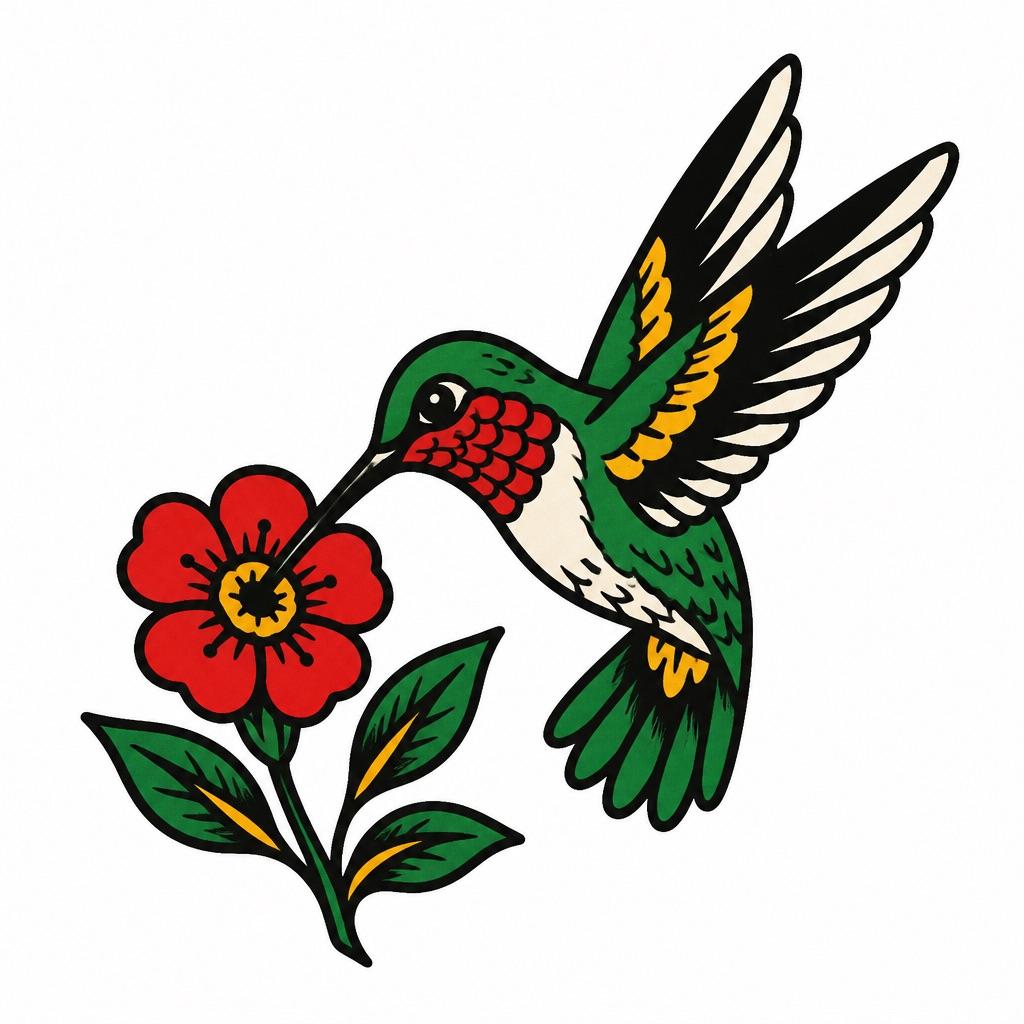 Bold linesAmerican traditional
| Fine line | Micro-realism | Minimalist | American traditional | |
|---|---|---|---|---|
| What defines it | Thin needle, thin lines | Realism shrunk to a few centimeters | Fewest possible lines | Bold outline, flat color |
| Shading | Little or none | Smooth black and grey or color | None | Solid fills |
| Detail packed per inch | Medium | Very high | Low | Low |
| How softening shows (artist consensus) | Gaps can close | Detail goes first | Holds if lines are spaced | Holds its shape longest |
| Our page | This page | Realism | Styles explained | Traditional |
Fine line vs micro realism is the comparison people ask about most. Tattoodo describes micro-realism as realism shrunk to a few centimeters, in color or black and grey, and says aging hits it hardest because so much detail sits in a small area. Fine line keeps open skin between its lines; micro-realism fills that skin with tiny tones. If your idea is a portrait or a photo-like animal, ask the artist how big it has to be to keep its detail. Minimalist overlaps with fine line, but the goal is simplicity, so lines can be thicker. Fine line vs bold line or blackwork is the other end: bold lines carry more ink, and artists widely report they keep their shape longer.
Do fine line tattoos fade? How they age over time
Every tattoo softens over the years, fine line included. What research shows, and what is only artist experience, are two different things, so here they are separately.
- Measured: in a 2018 mouse study, Baranska and colleagues showed that the skin cells holding tattoo pigment die and release it, and new cells pick it up again, over and over. The authors say it is not yet known whether this works the same way in people. It helps explain why tattoos last, and it is one reason pigment can drift slightly over time.
- Official guidance: the American Academy of Dermatology says ultraviolet light can fade some tattoo inks, and that tanning beds and sunlamps can too.
- Artist consensus, not measured: lines soften and widen a little over the years, small gaps close first, light grey fades before lines, and thin lines show it sooner because they have less ink to lose (Tattoodo). We found no study that measures how fast a fine line spreads, so treat any exact rate you read online with care.
The spacing test: what closes up first
Thin lines are not what blurs a fine line tattoo. Lines that sit too close together are. To show it, we drew the same three lines at exact scale with a 0.35 mm line, the diameter of one standard needle, and changed only the gap between them. Then we applied the same softening to every column.
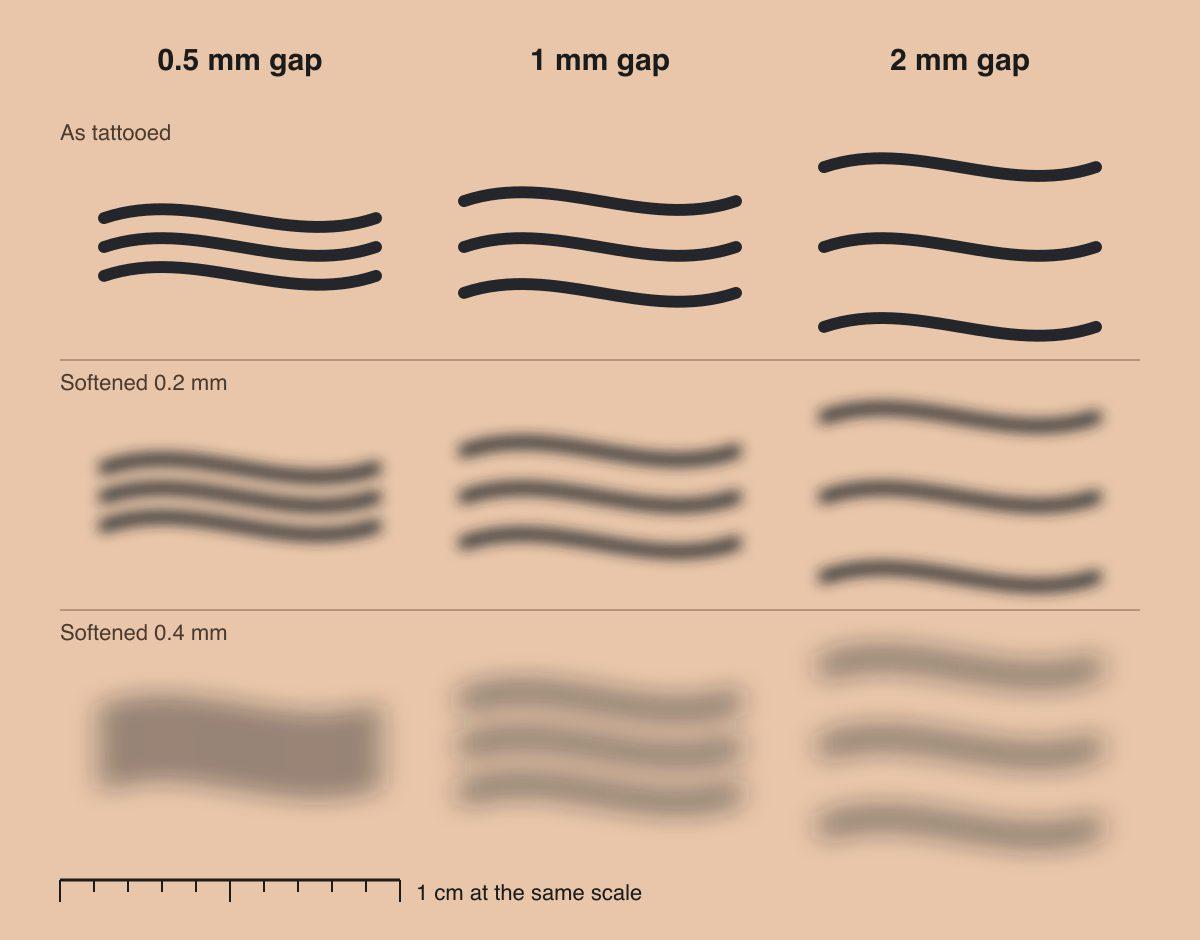
At 0.2 mm of softening every set still reads as three lines. At 0.4 mm the 0.5 mm gap has become one grey band, the 1 mm gap is turning fuzzy, and the 2 mm gap still shows three clear lines. That is the whole aging story of fine line in one picture: the line can stay thin as long as the gaps stay wider than the softening you expect. Our small tattoo guide runs the same test on a rose at ½, 1 and 2 inches on a forearm, and shows a detailed design closing up when it is shrunk.
How long does a fine line tattoo last? Nobody has measured it. Removery, a laser removal company, estimates that a fine line piece in a discreet, sun-protected spot can go about ten years before it needs a refresh, and one on the hands or neck every three to five years. That is one company's estimate, not research. Tattoodo writes that a well-placed piece can read clearly for a decade and that a tiny finger tattoo may not last a year.
- Leave open skin between lines, especially inside small shapes like petals, letters and eyes.
- Choose a size that gives detail room (see the sizing section below).
- Pick a spot that does not rub, flex or see the sun all day.
- Protect healed skin from the sun: the AAD recommends a broad-spectrum, water-resistant sunscreen of SPF 30 or more, reapplied at least every two hours.
- Plan a touch-up: thin lines sometimes heal patchy, and many artists offer one after healing.
What is a fine line tattoo blowout, and can it be fixed?
A blowout is ink that spreads under the skin beyond the line, so the line looks blurry or bruised, often with a blue-grey haze. A 2026 case report in JAAD Case Reports by dermatologists at the University of Pennsylvania describes it as a blurry or bruised look in the skin around a tattoo, thought to happen when ink is deposited too deep, into the fat beneath the dermis, often after technique errors such as heavy needle pressure. The authors add that the inner arm may be more prone because skin thickness varies by body site. It is a single case report, not a frequency study.
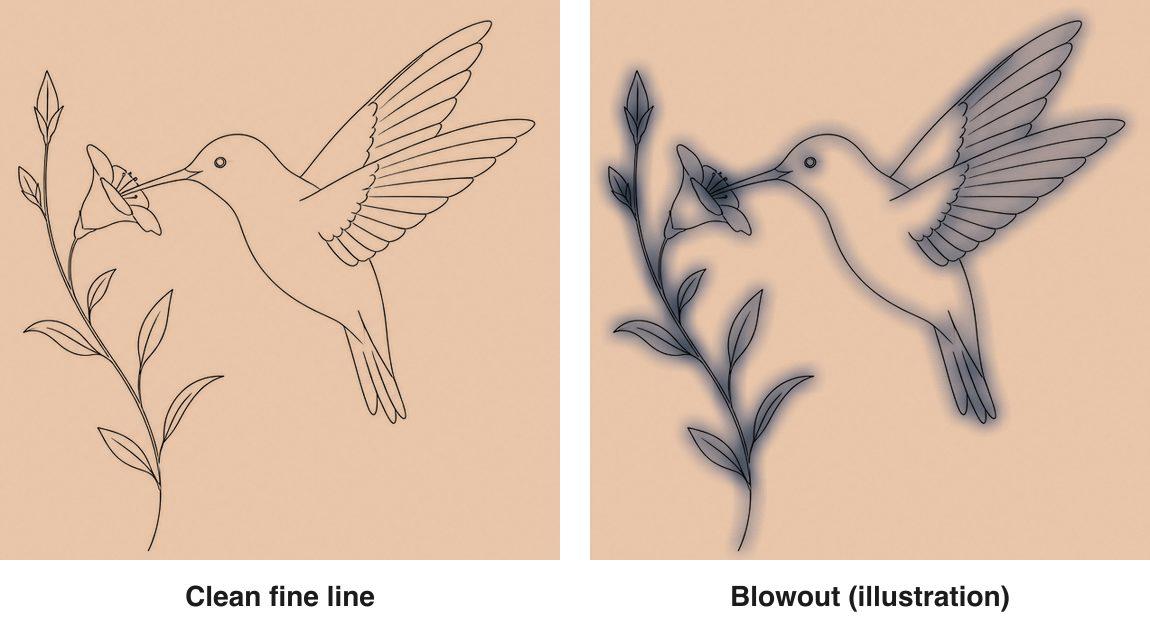
Fine line shows a blowout more than bold work does, because there is no thick line to hide the haze. Tattoodo notes that blowouts appear in the first weeks and that thin skin on the wrists and feet is more prone. A blowout is different from normal softening: it shows soon after healing and does not get better on its own. Options artists commonly suggest are thickening the line so it hides the haze, reworking the design around it, or a few laser sessions to lighten the spread; which one fits depends on the tattoo, so ask the artist who did it, or a laser clinic. The best prevention is choosing an artist whose healed fine line work is crisp.
Where do fine line tattoos last longest?
Placement changes two things: how much the skin rubs, flexes and sees the sun, and how much it hurts. The aging column below is artist consensus; the pain column comes from the tiers in our tattoo pain chart, which are reported experience, not measurement.
| Spot | How fine line tends to age (artist consensus) | Pain tier | Guide |
|---|---|---|---|
| Inner and outer forearm | Wears well; little rubbing | Lower | Forearm |
| Upper arm and shoulder | Wears well; often covered from the sun | Lower | Shoulder |
| Outer thigh and calf | Wears well; room for larger pieces | Lower to middle | Thigh |
| Wrist | Popular; thin skin, reported more prone to blowouts | Tender for many | Wrist |
| Ribs | Fine if the design has room | Higher | Ribs |
| Fingers and sides of the hands | Reported to fade fastest | Middle | Hand |
| Feet and ankles | Shoes rub; sides and soles fade faster | Middle | - |
Aging notes compiled from Tattoodo and Removery, which both rank fingers, hands and feet among the fastest to fade; pain tiers from our tattoo pain chart. Fine line for men and women follows the same rules: the style has no gender, only sizes and spots.
How big should a fine line tattoo be?
As big as its smallest gap requires. There is no official minimum; Tattoodo suggests that if a detail is hard to read up close on the stencil, it is probably too small to last. A simple outline like the cat or the moon phases below can sit under 2 inches; a peony with many petals, a hummingbird with feathers or a line of script needs more room. Our tattoo size guide gives the room each body part offers: on a median adult, the forearm is about 9.5 to 10.5 inches long and the wrist about 3 to 3.5 inches across one side.
For fine line script, the letters are the tightest spaces of all: the inside of an "e" or an "a" closes first. Keep letters tall enough and the font open, as covered on our script tattoo page. To check a size on your own arm before you book, use the tattoo size calculator, or print the design at 100% and hold it in place.
Prompt to try
“2 inch fine line hummingbird and small flower for the inner forearm, thin single needle lines, wide open spacing”
Generate this designDo fine line tattoos hurt less?
There is no study of pain by needle size or style. The largest survey we found, Witkoś and Hartman-Petrycka (2020), asked 1,092 tattooed people about their pain: how long the tattoo took, stress and bleeding predicted pain during tattooing, while body location did not once those were counted. The authors did not record needle thickness and list it as a question for future research.
In practice, many people find a small fine line piece easier mainly because it is short. A dense fine line design, micro script or micro-realism can take longer than its size suggests, and the spot still matters to how it feels: artists rate the ribs and chest among the harder spots, and the wrist is tender for many. Our tattoo pain chart covers every spot.
How do fine line tattoos heal?
The same way as any tattoo: fine line does not have its own healing process. Cleveland Clinic says the top layer of skin is typically healed by about two months, while the deeper layers can take several more months; larger tattoos take longer. Artists commonly report that thin lines can look patchy or faint for a while as the skin settles, which is why a touch-up is often planned. Tattoodo advises waiting about a month before judging gaps, which is also when artists usually look at a touch-up. Keep the healing tattoo out of direct sun, as Cleveland Clinic advises, and follow the steps in our tattoo aftercare guide.
How much does a fine line tattoo cost?
We found no price survey specific to fine line. Most studios charge a minimum for small pieces and an hourly rate for longer ones, so a small fine line tattoo usually lands at the shop minimum, and a detailed one is billed by the hour. In our sample of 25 US studios (checked November 4, 2026), stated minimums ran from $80 to $200, with a median of $120, and the median hourly rate was $200.
- Median shop minimum
- $120
- Median shop minimum
- 23 studios that state one
- Median hourly rate
- $200
- Median hourly rate
- 18 studios that state one
- Range of minimums
- $80 to $200
- Range of minimums
- Sample checked November 4, 2026
Two things push a fine line piece above the minimum: time, since dense detail and micro-realism take longer than their size suggests, and the artist, since fine line specialists may charge more. Ask for the price of your exact design and size, and whether a touch-up after healing is included or charged. The tattoo price calculator turns a size and placement into a planning range.
Fine line tattoo ideas that age well
The designs that suit fine line have clear shapes and open space inside them. Here are six AI-generated drafts, each with the reason it works. Use them as starting points; an artist will adjust the spacing for your skin and size.
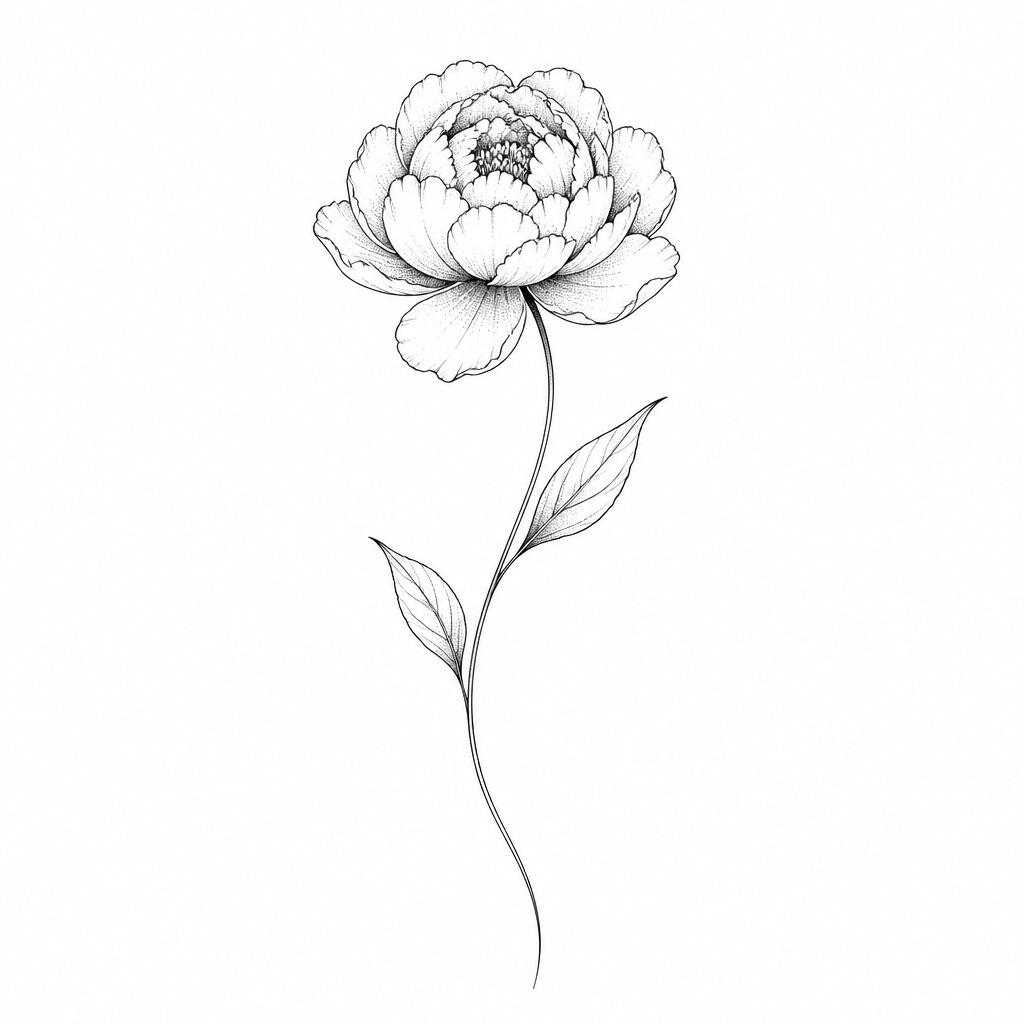 PeonyLong stem; give the petals 3 inches or more.
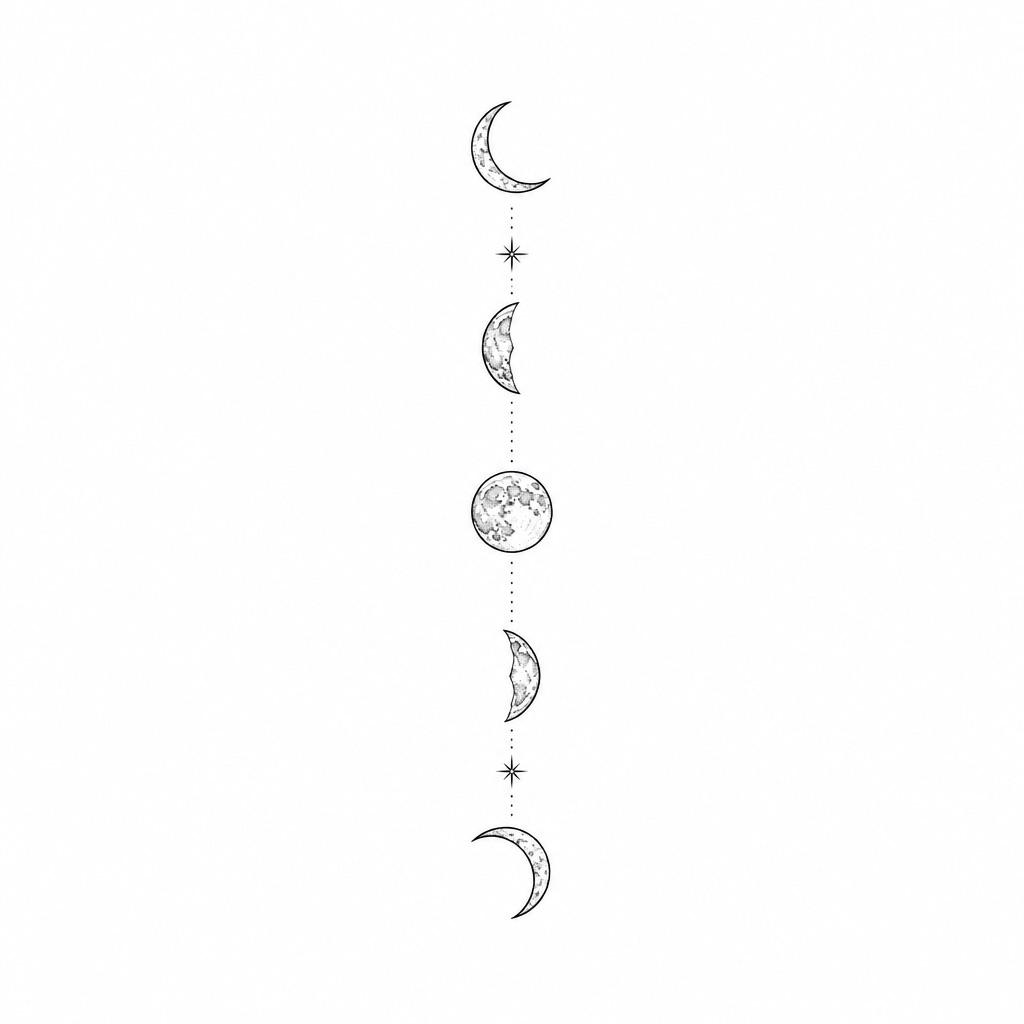 Moon phasesSimple shapes on a line; suits the spine or forearm.
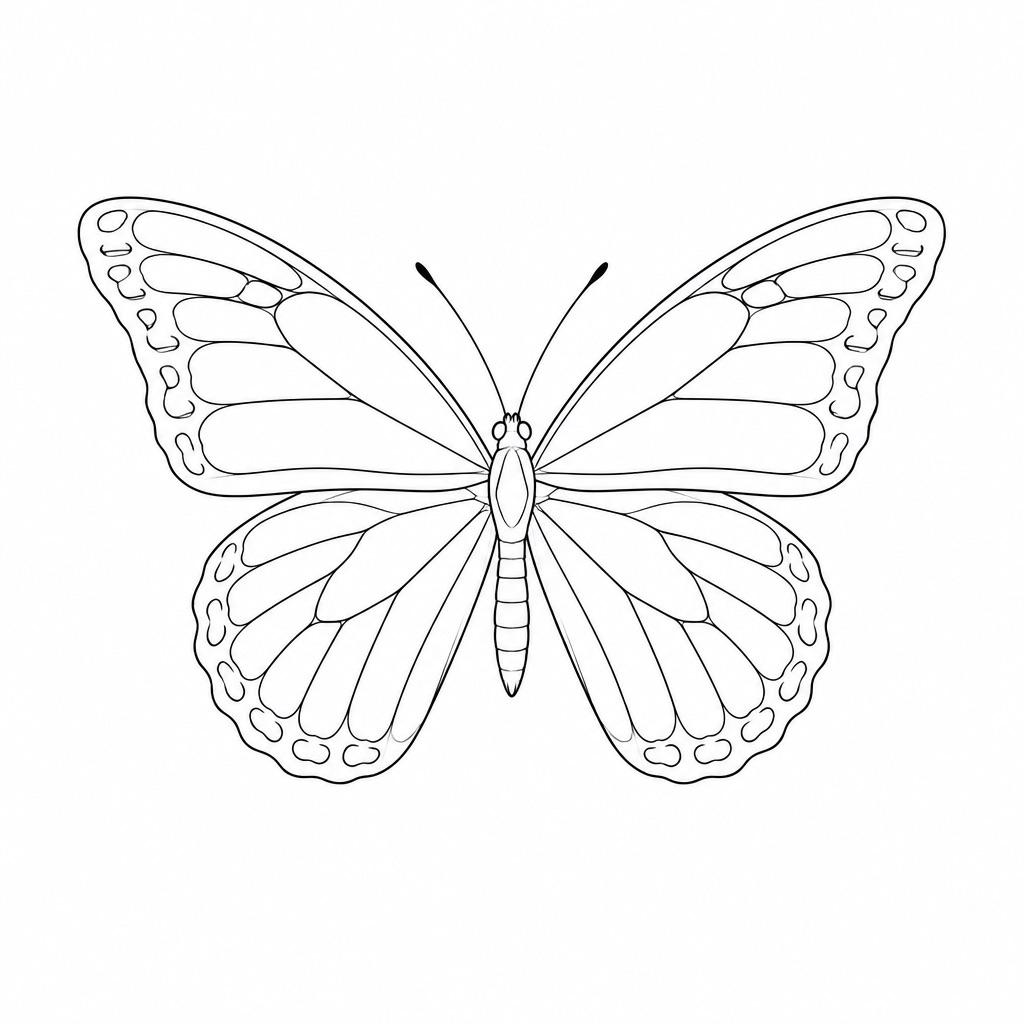 ButterflyOpen wing cells; keep them wide when sized down.
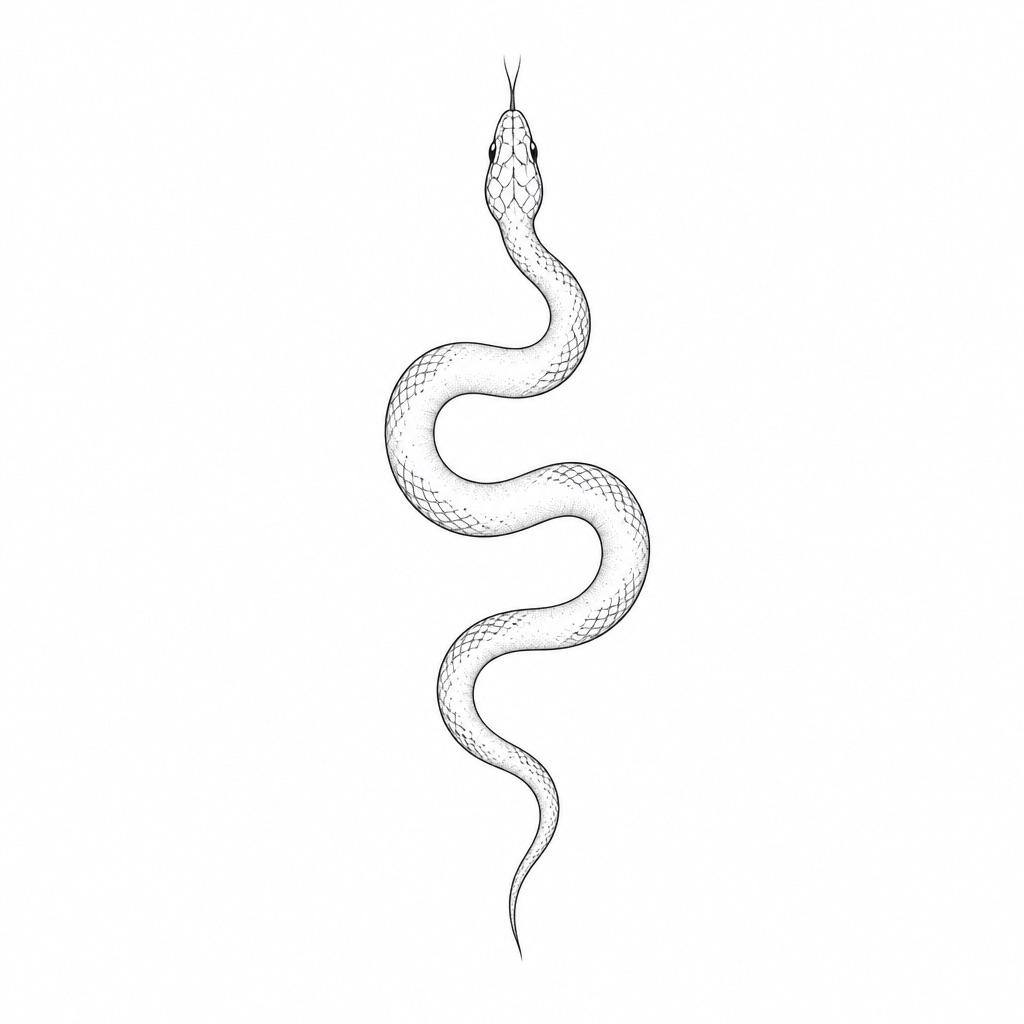 SnakeFollows the arm or ankle; keep scales sparse.
 MountainsOutdoors piece; trees need room to stay apart.
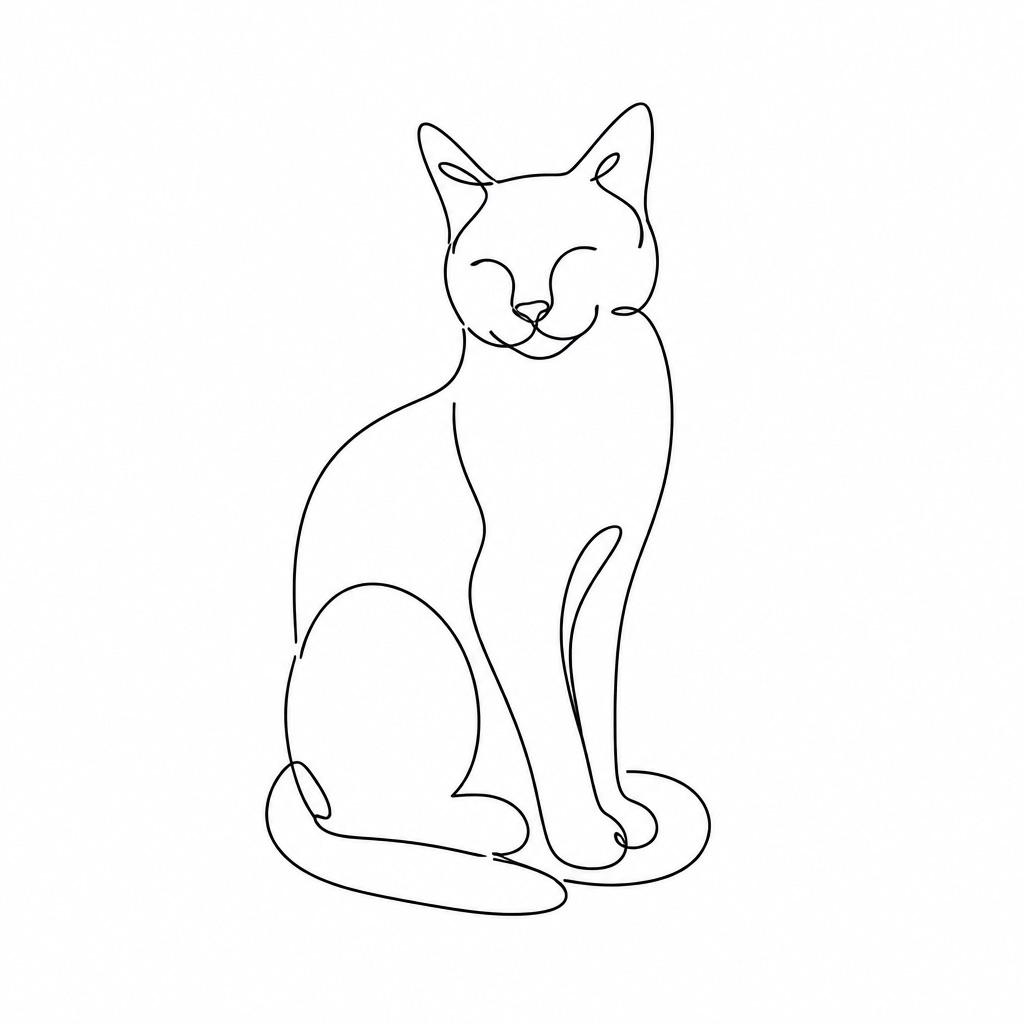 Single-line catOne continuous line; works small.
- Botanicals: single stems, wildflowers, olive and laurel branches, birth flowers. A long stem gives the flower room without making it wide.
- Celestial: moon phases, a crescent with a few stars, constellations. Simple shapes that stay readable small.
- Small animals: butterflies, birds, a pet's outline. Keep the eye and small features open.
- Script: a name, a date, a word. Choose an open font and enough height; see the script page.
- Ornaments and lines: wrap bands, delicate frames, single-line drawings.
Fine line ideas with meaning come from the subject, not the style: a birth flower for a child or a mom, a constellation for a date that matters, a pet in one line. Fine line ideas for women and for men draw on the same list; the difference is usually size and placement, not the motif.
Prompt to try
“fine line peony on a long stem for the outer forearm, 4 inches tall, light stipple shading, open petals”
Generate this designPrompt to try
“fine line moon phases with three tiny stars, vertical, for the spine, simple shapes with wide gaps”
Generate this designSmall Tattoo Ideas
Minimal symbols, names, dates and fine line designs to browse.
Dragonfly Tattoo Ideas
Long wings and a slim body, a natural fit for thin lines.
Spider Lily Tattoo Ideas
Long curling petals that suit delicate linework.
Where does fine line tattooing come from?
Fine line has a longer history than its Instagram fame suggests. Tattoodo traces its roots to California prisons, where inmates built machines from pen parts and guitar strings, and to East Los Angeles shops in the 1970s that switched to a single needle for Mexican-American clients asking for that look. According to Wikipedia's article on Jack Rudy, Rudy started as an apprentice at Good Time Charlie's Tattooland after leaving the Marines in 1975; when clients asked for "penitentiary-style" work, he and Charlie Cartwright built a single-needle machine, and together they refined single-needle black and grey tattooing, which let artists reach much finer detail.
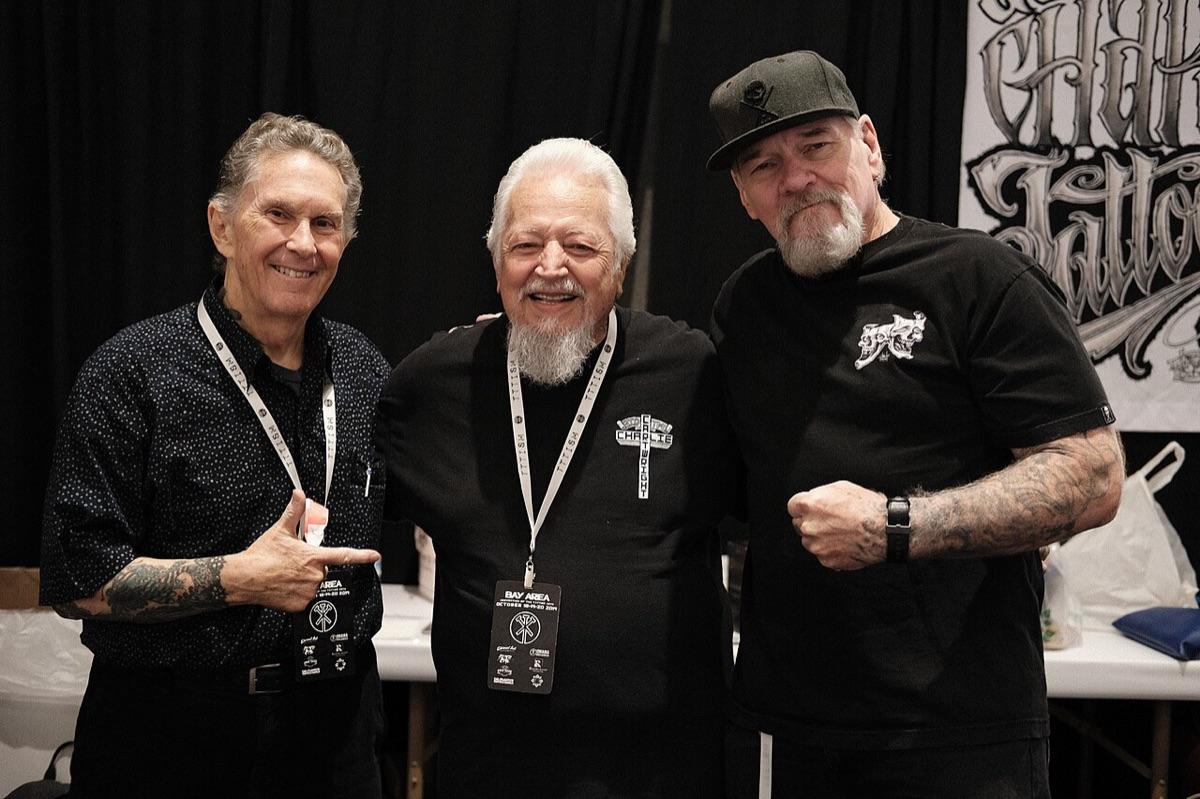
That single-needle black and grey work is closely tied to Chicano tattooing, which Tattoodo lists among the styles often done in fine line. The small, airy fine line look most people picture today, with tiny florals and script on wrists and fingers, spread widely in the 2010s on social media, as Tattoodo notes. The technique is the same thin needle; the subjects and spacing changed.
How to find a fine line tattoo artist near you
Fine line is a specialty: thin lines leave no room to hide a wobble or a line set too deep. Whether you search for a fine line artist near you or travel for one, check the same things in every portfolio.
- Ask for healed photos, ideally a year old or more, not only fresh ones. Fresh fine line always looks crisp.
- Zoom in on the lines: they should be even in width, with no blurry halo around them.
- Look for designs close to yours in size and detail, especially if you want script or micro-realism.
- Ask how big they would make your design to keep it readable, and listen if they suggest bigger or simpler.
- Ask about touch-ups: when they do them and whether one is included.
- Bring a reference: a draft from the generator or a printed stencil helps the artist see the spacing you want.
These checks are common advice from artists, not research. To prepare a clean reference, the tattoo stencil maker turns a design into black linework you can print at size.
Plan the rest of your fine line tattoo
How Small Can a Tattoo Be?
The same rose at ½, 1 and 2 inches on a forearm, and what blurs.
Tattoo Styles Explained
One rose drawn in eight styles, to compare fine line with the rest.
Tattoo Size Chart
How much room each body part has, in inches and cm.
Tattoo Pain Chart
Which spots artists rate harder, and why session length matters.
Tattoo Healing Stages
What normal healing looks like, week by week.
Tattoo Cost Guide
Minimums and hourly rates from 25 US studios.
Blackwork Tattoos
Solid black and bold lines, the opposite end of black-ink work.
Wrist Tattoos
Plan a small design around a tender, visible spot.
Sources
- Tattoodo: Fine Line Tattoos, Technique, Aging and Best Placements (industry style guide) · checked November 10, 2026
- Alomary SA, Elenitsas R, Weir MA. Tattoo blowout and pruritus. JAAD Case Reports, 2026 (single case report) · checked November 10, 2026
- Baranska A et al. Unveiling skin macrophage dynamics explains both tattoo persistence and strenuous removal. J Exp Med, 2018 (mice) · checked November 10, 2026
- American Academy of Dermatology: Caring for tattooed skin · checked November 10, 2026
- Cleveland Clinic: Tattoo aftercare tips from a dermatologist (Shilpi Khetarpal, MD; March 20, 2026) · checked November 10, 2026
- Witkoś J, Hartman-Petrycka M. Gender differences in subjective pain perception during and after tattooing. IJERPH, 2020 · checked November 10, 2026
- Element Tattoo Supply: What is a bugpin tattoo needle? (supplier, needle gauges) · checked November 10, 2026
- Removery: Aged fine line tattoo (laser removal company; touch-up timing is its own estimate) · checked November 10, 2026
- Wikipedia: Jack Rudy · checked November 10, 2026
- Wikimedia Commons: Hardy, Cartwright, Rudy (photo by TattoosByDougHardy, CC BY 4.0) · checked November 10, 2026
Fine Line tattoo FAQ
Do fine line tattoos fade faster?+
No study measures it, but artists widely report that fine line shows softening sooner than bold work because each line holds less ink. What decides how it ages is mostly spacing: gaps wider than the softening stay readable. Sun protection once healed and a spot that does not rub, like the forearm rather than the fingers, help it last.
What is the difference between single needle and fine line?+
Single needle (1RL) is one specific setup, the thinnest line an artist can make. Fine line is the broader style and includes single needle as well as tight groups of about three needles, which make a slightly thicker line that holds more ink.
Is micro realism the same as fine line?+
No. Fine line is about thin lines with open skin between them. Micro-realism shrinks a realistic image, with smooth shading, to a few centimeters. It often uses fine needles, but it packs much more detail into a small area, which artists say shows aging sooner.
Can a fine line tattoo blowout be fixed?+
Often it can be hidden or reduced. Artists commonly suggest thickening the line to cover the haze, reworking the design around it, or laser sessions to lighten the spread. A blowout comes from ink placed too deep and does not fade back on its own, so ask the artist or a laser clinic which option fits.
Do fine line tattoos hurt less?+
No study compares pain by needle size. In a survey of 1,092 tattooed people, how long the tattoo took, stress and bleeding predicted pain, so a short, small fine line piece often feels easier mainly because it is quick. Tender spots like the wrist or ribs still hurt more for many people.
How much does a fine line tattoo cost?+
There is no fine-line-specific survey. In our sample of 25 US studios, the median shop minimum was $120 and the median hourly rate $200. Small fine line pieces usually land near the minimum; detailed ones are billed by time.
Tattoo planning tool
Generate a fine line tattoo reference
Describe your idea, generate it in any style, and preview it on your own skin before the needle.
Generate for freeFree to start