
Dragonfly Tattoo Ideas and Meaning
A dragonfly tattoo usually stands for change and transformation: the insect spends one to two years underwater as a larva, then lives a week or two as a flying adult. In Japan, samurai called it the kachimushi, the victory insect. In much of Europe it once had a darker, devilish reputation. Below: what each reading rests on, and one dragonfly shown to scale on a wrist, a forearm and a back.
11+ Dragonfly tattoo designs
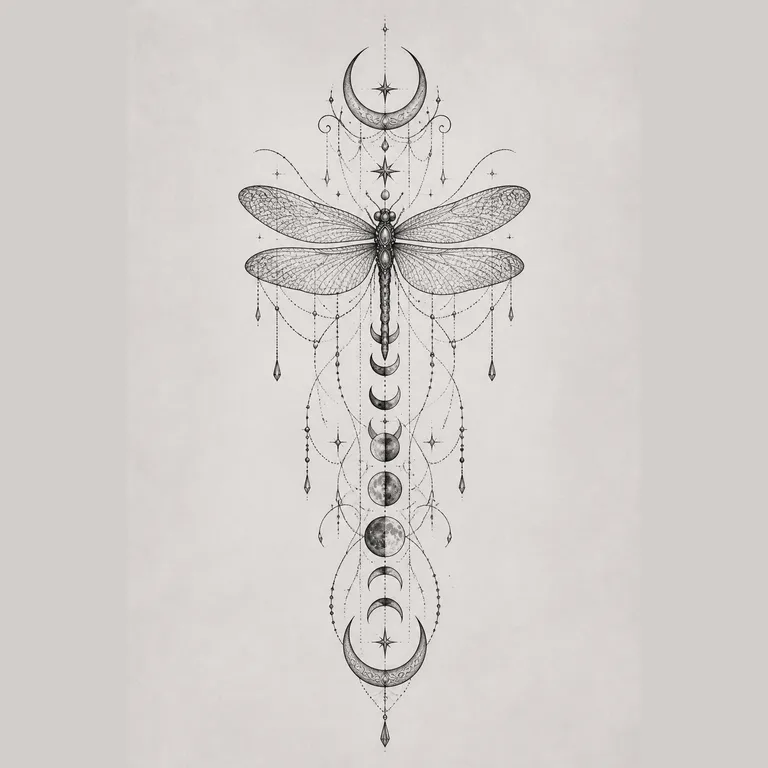
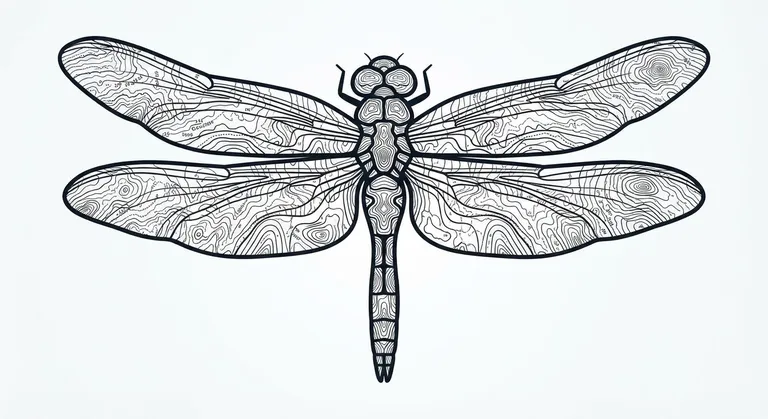
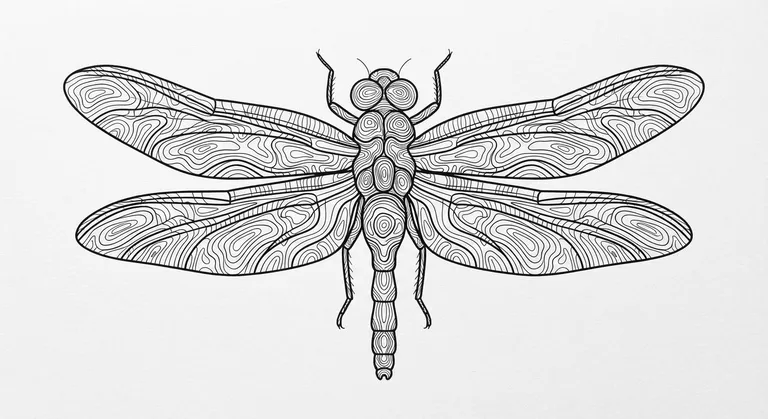
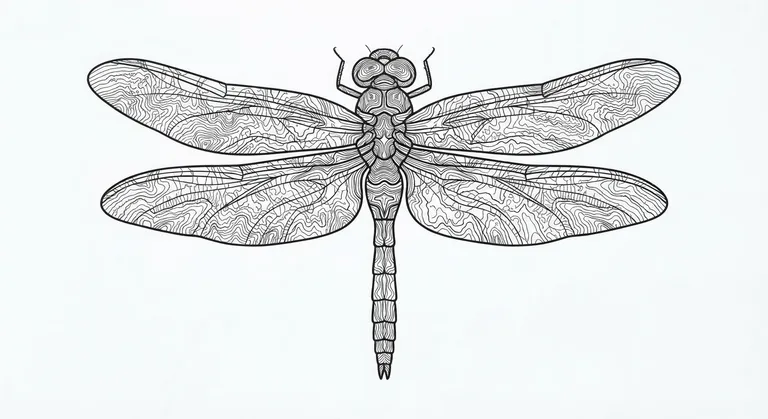
AI-generated dragonfly tattoo designs across popular styles. Tap any one to generate your own version and preview it on your skin.
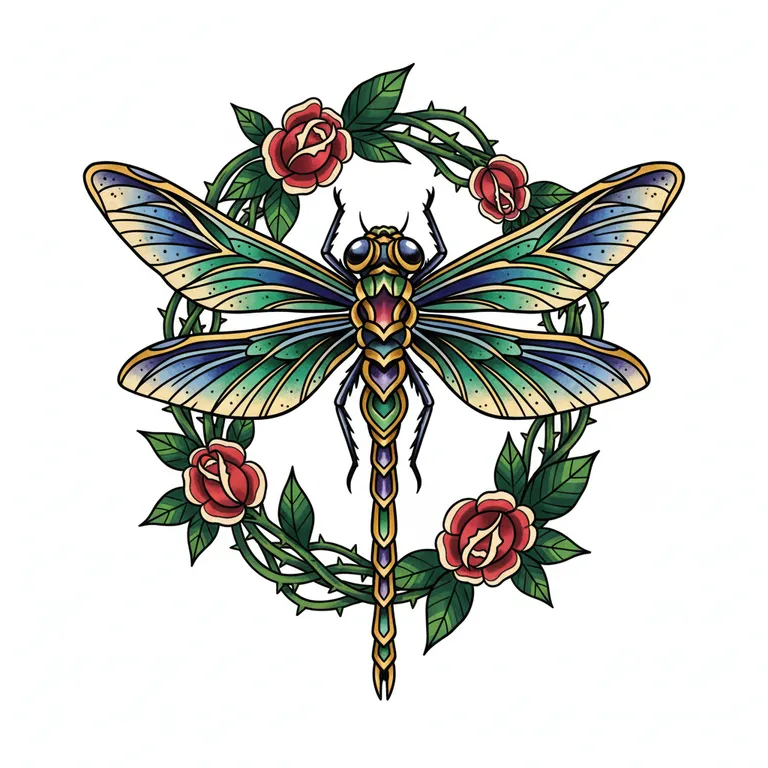
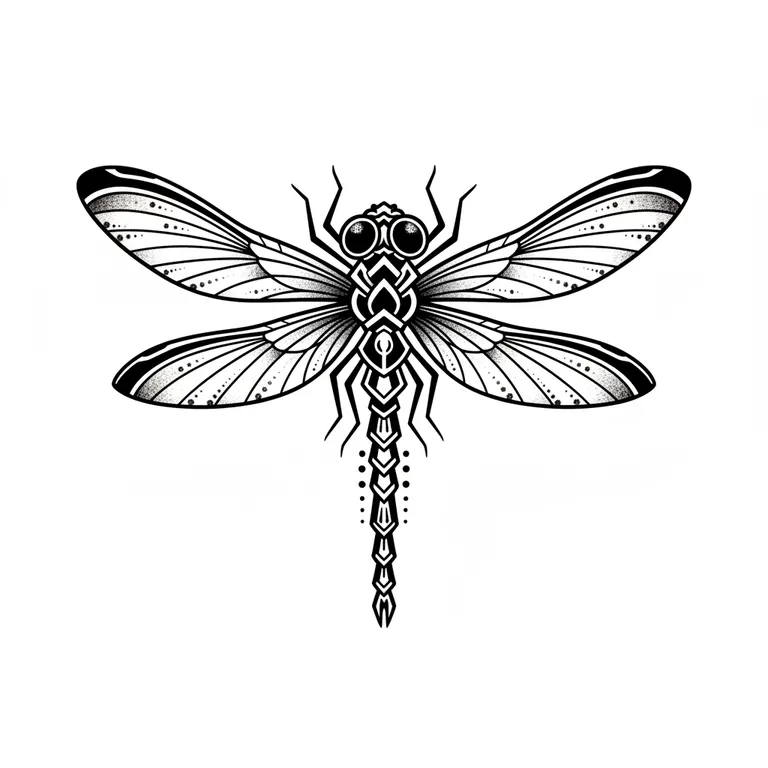
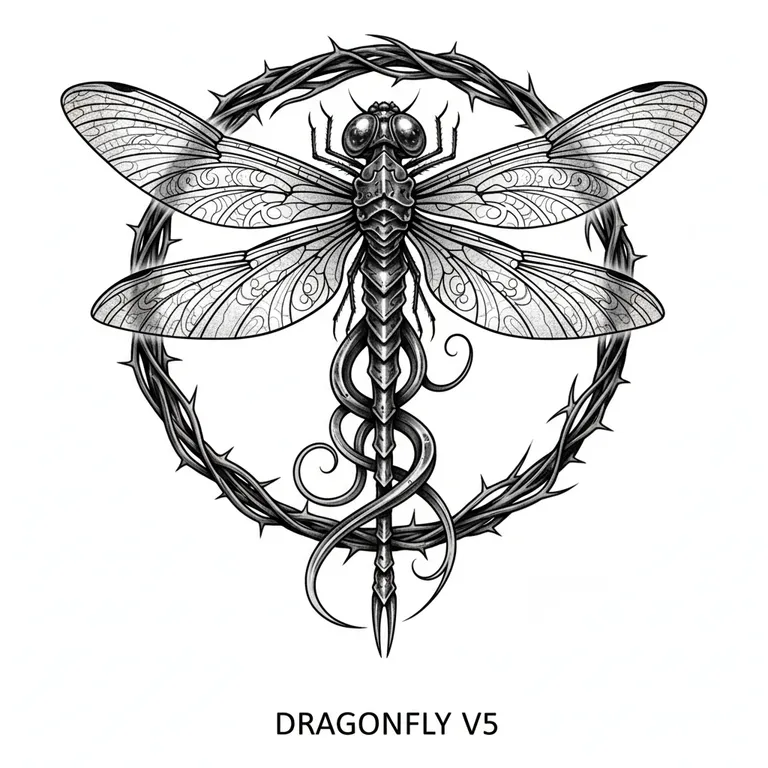
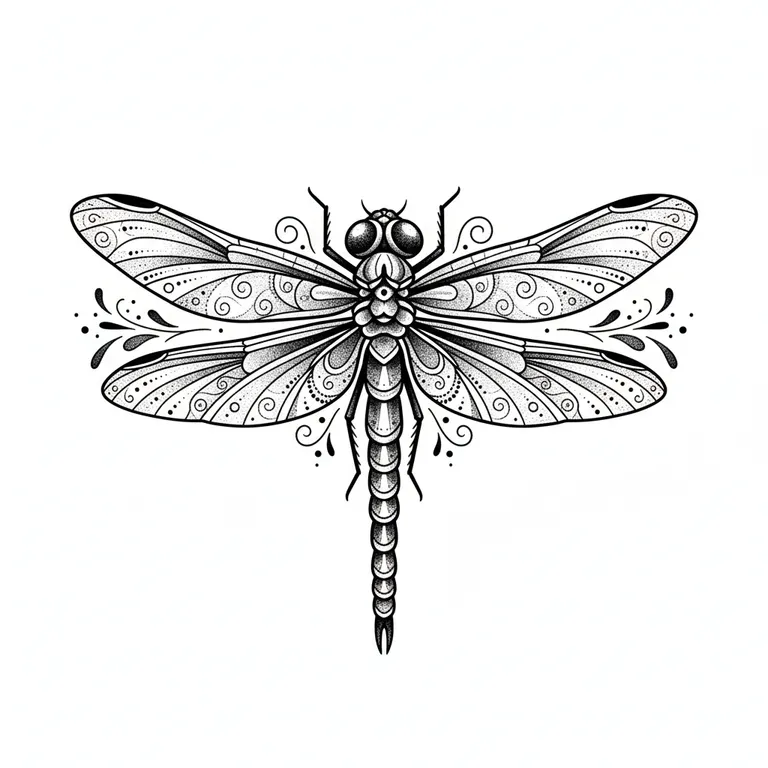
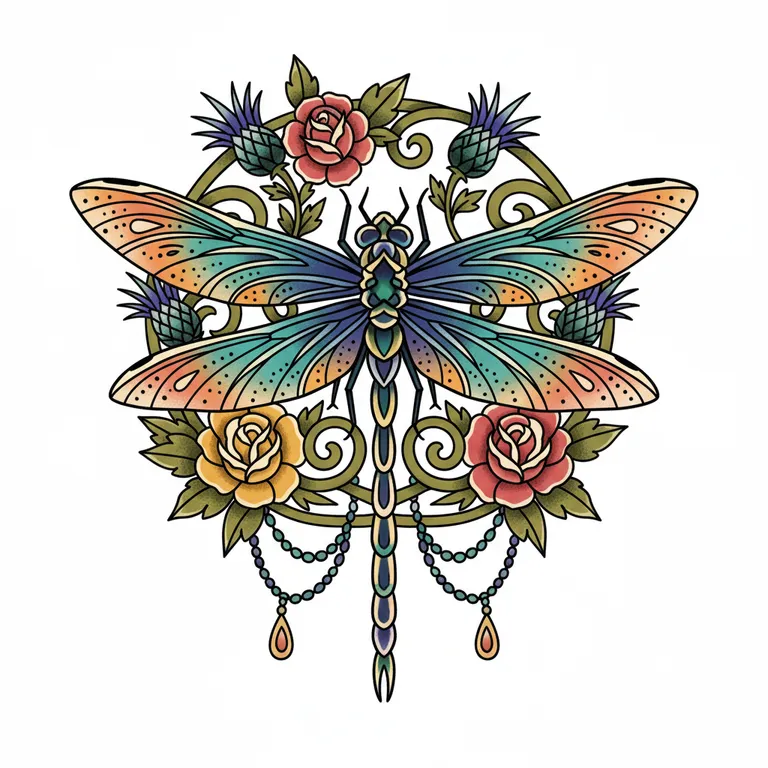
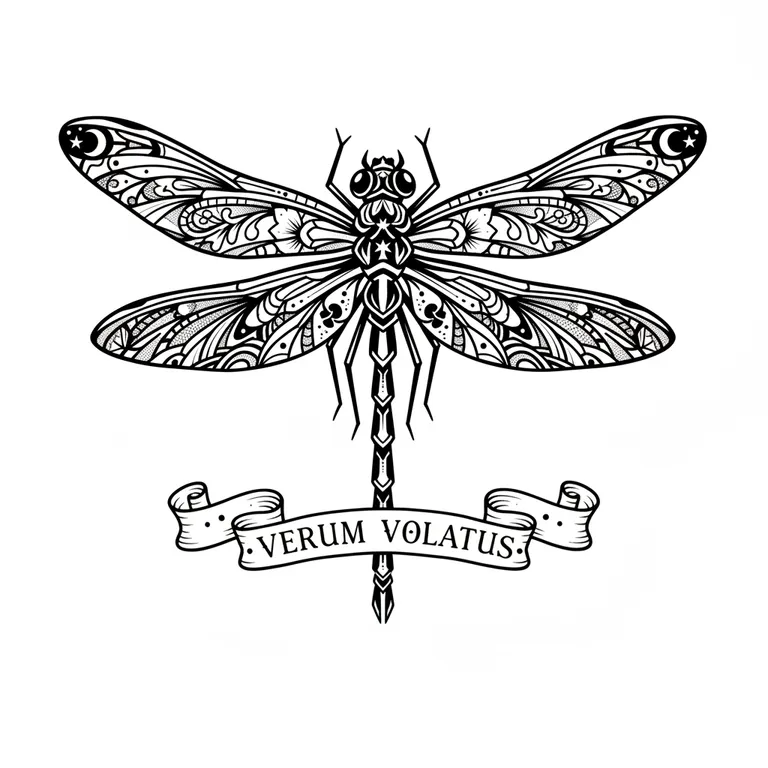
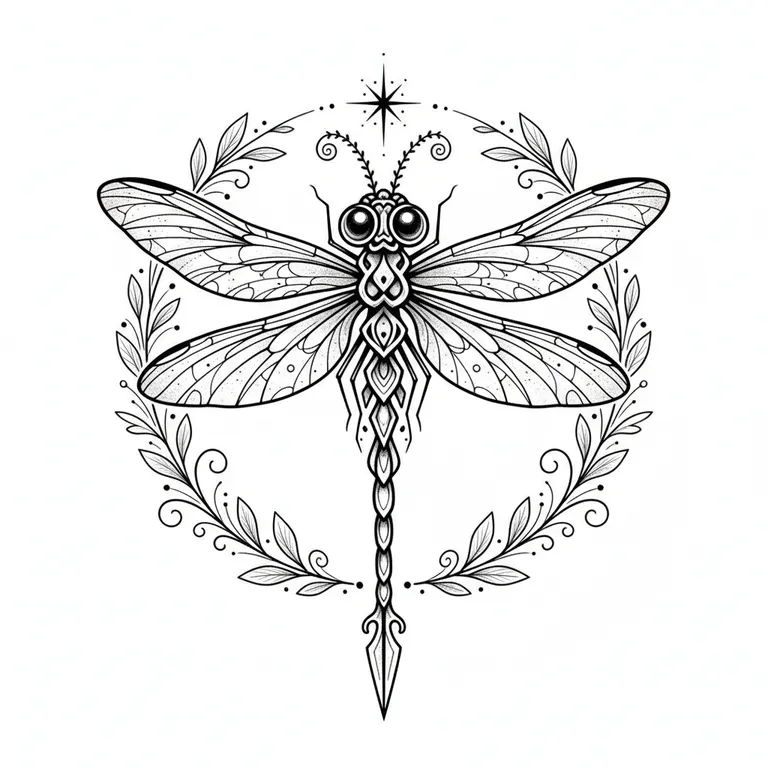
What does a dragonfly tattoo mean?
There is no single meaning, but the readings people give a dragonfly come from a few traceable places. These are the ones we could source:
- Change and transformation. Dragonflies live most of their lives underwater as larvae, then leave the water and turn into flying adults with no pupal stage in between (British Dragonfly Society).
- Victory and perseverance in Japan. Samurai culture called the dragonfly kachimushi, the "victory insect", and put it on helmets, armor and sword fittings (Manggha Museum).
- Water in Southwest pottery. Dragonflies are among the water motifs shared by many Southwest peoples on pottery (Arizona State Museum).
- Fear, then fragility, in Europe. Nordic and Germanic folklore saw dragonflies as sinister, sometimes as a symbol of the devil; Dutch still-life painters later used them as reminders that life is brief (Manggha Museum).
On top of those, many people choose a dragonfly for a personal reason: a fresh start, recovery, or the memory of someone they lost. These are common modern interpretations, not meanings any tradition assigns, and they are no less valid for it. The sections below take each reading in turn.
Why does a dragonfly symbolize change?
Because its life is split in two. According to the British Dragonfly Society, dragonflies have three stages: egg, larva (also called a nymph) and adult, and they spend most of their lives as larvae, hunting underwater. Larval development typically takes one or two years, but ranges from two to three months in emerald damselflies to more than five years in the Golden-ringed Dragonfly. Then the larva climbs out of the water and makes its final moult on a plant stem, leaving its empty skin, the exuvia, behind. Unlike butterflies, there is no pupal stage: the larva turns straight into an adult.
- as an underwater larva
- 1 to 2 yrs
- as an underwater larva
- typical; 2 months to 5+ years by species
- pupal stages
- 0
- pupal stages
- larva turns straight into an adult
- as a flying adult
- 1 to 2 wks
- as a flying adult
- typical; sometimes 6 to 8 weeks
That short, bright adult life after a long hidden one is the image most dragonfly tattoos lean on: something that changes completely and only then takes flight. If you want the tattoo to carry that story visibly, ask your artist about adding an exuvia on a reed stem, or a line of water below the dragonfly.
What does a dragonfly symbolize in Japan?
Strength and victory. The Manggha Museum of Japanese Art and Technology notes that the Kojiki, Japan's oldest chronicle, records the earliest known name of the country as Akitsushima, "the Island of Dragonflies". In warrior culture the dragonfly was the kachimushi, the "victory insect". The traditional explanation is that a dragonfly never moves backward when it flies, which made it a metaphor for determination and valor in battle; that is the warriors' reading, not a claim about insect biology. The motif appears on weapons, helmets, armor, sword mountings and horse tack.
A 17th-century helmet shaped like a giant dragonfly at the Minneapolis Institute of Art is described as standing for "focused endeavor and vigilance", because the insect moves up, down and sideways while still facing forward (Mia, via Google Arts & Culture). The same note says dragonflies were thought to be the spirits of rice, since they hover over flooded rice fields.
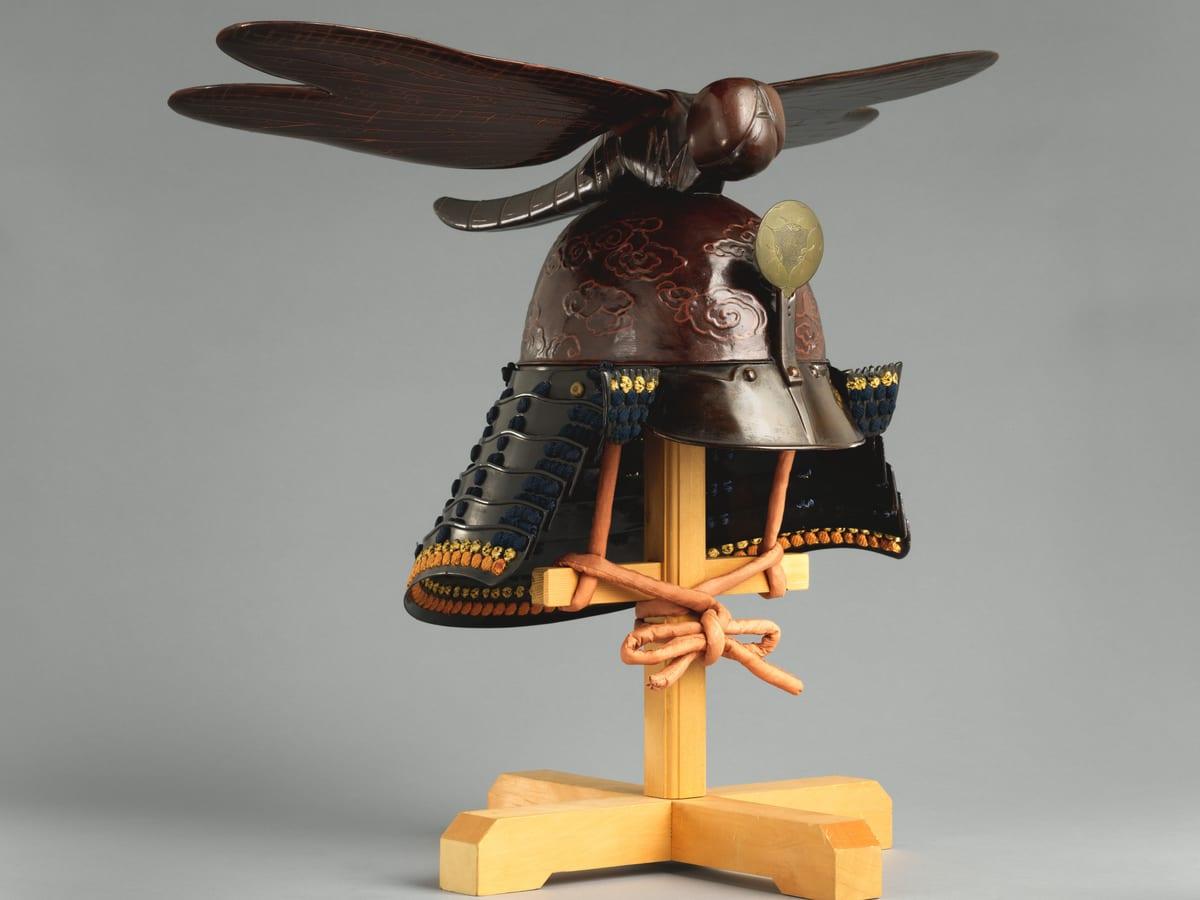
The helmet above, now at The Met, is a kawari-kabuto, an "unusual" helmet, built from iron, copper, gold, silver, wood, lacquer and silk, with the dragonfly mounted on top like a crest. It is a good reference if you want a dragonfly that reads as strong rather than delicate.
What makes a Japanese dragonfly tattoo look Japanese?
Style, more than the insect. Japanese tattooing uses bold outlines, flat color and background elements such as wind bars and waves, as our tattoo styles guide explains. A dragonfly drawn that way, over water, rice stalks or autumn grasses, will read as Japanese. Those pairings are design suggestions; we did not find a source giving them a separate meaning.
Do dragonflies mean something in Native American art?
There is no single "Native American meaning", and this page does not speak for any nation. What we can point to is specific: the Arizona State Museum notes that peoples across the Southwest developed their own approaches to decorating pottery, and that several water-related motifs are shared by many different groups, among them waves, tadpoles, dragonflies and frogs. Its collection includes a Zuni polychrome canteen from the late 1800s, by an unknown artist, with frog appliqués and dragonfly designs. If that tradition is the reason you want a dragonfly, read about it from the community's own sources and talk it through with your artist before borrowing a design.
Are dragonflies a bad omen or a symbol of death?
In parts of Europe, they used to be. The Manggha Museum writes that in much of Europe dragonflies were seen as sinister, menacing forces, a view strongest in Nordic and Germanic folklore, where the insect was sometimes plainly a symbol of the devil. Later, Dutch vanitas still lifes used insects, dragonflies among them, as reminders of how short life is. That is the closest the sources we checked come to "death": transience, not a death omen.
English folk names carry the same unease. The British Dragonfly Society lists Adder Bolt, Snake Doctor, Devil's Riding Horse, Horse-Stinger and Devil's Darning Needle, and traces the name "Dragon-fly" possibly as far back as Francis Bacon's Sylva Sylvarum, published in 1626. Devil's Darning Needles was an old name for damselflies, tied to a myth that they would sew a sleeper's eyelids shut.
Is a dragonfly a good memorial tattoo?
Many people choose one to remember someone, often linking the dragonfly's change of form to a loss. That is a common personal interpretation; we found no single tradition behind it. If that is your reason, the most personal versions add something only you would recognize:
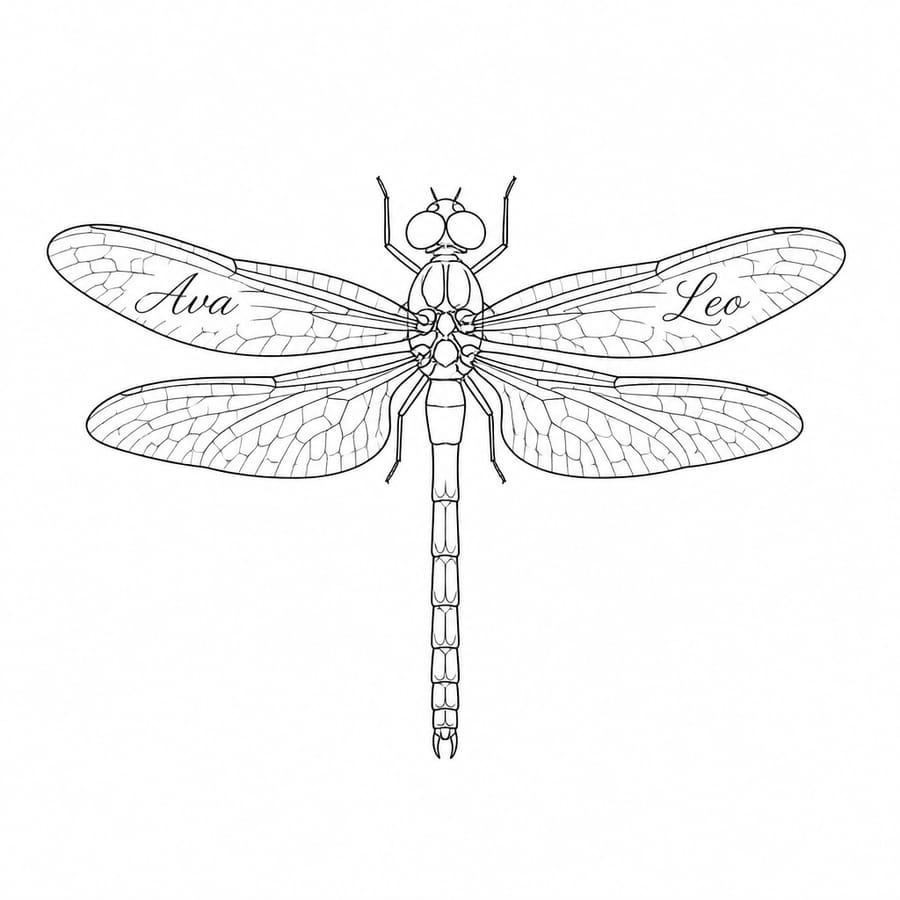
- a name or initials inside the wings (see the example further down);
- a date, written out or in Roman numerals;
- a word in the person's own handwriting, scanned from a card or letter.
Lettering inside wings has a size problem. The tattoo size guide uses 5/8 inch as a yardstick for readable letters, taken from US sign rules. In the names design further down, each forewing is only about a sixth as deep as the wingspan, so on a 3.5-inch dragonfly the whole wing is under 0.6 inch deep, and the letters inside it are smaller still. For names that stay legible, go bigger, or set the name along the body or below the dragonfly.
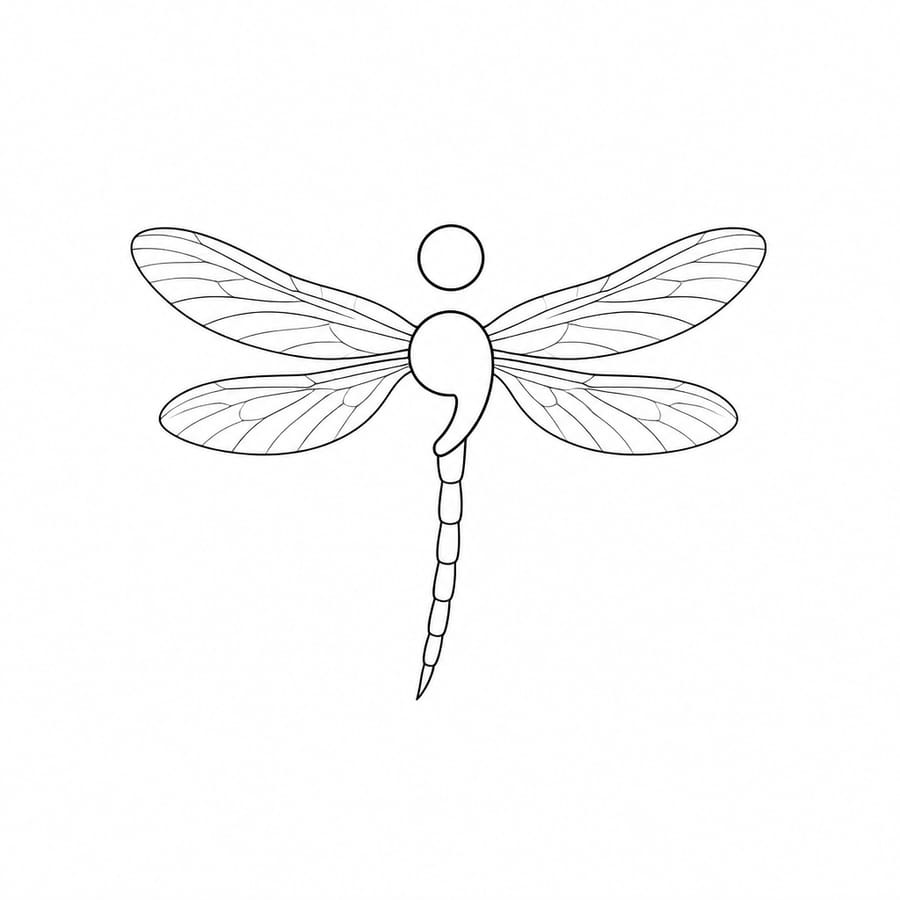
Dragonfly tattoo with a semicolon
The semicolon comes from Project Semicolon, which explains it this way: a semicolon is used when a sentence could have ended but continues, and for its community it is a reminder that a difficult chapter does not have to be the last one. A dragonfly whose body forms the semicolon combines that mark with the change the dragonfly already stands for. The meaning belongs to the semicolon; we found no source making the dragonfly itself a mental health symbol.
Are dragonfly tattoos for women or for men?
Both. A dragonfly has no gendered meaning in any source we read, and, as the tattoo styles guide puts it, no style belongs to one gender either. What changes the look is line weight and style, not the subject. Compare the bold blackwork and the fine line designs in the gallery at the top of this page: same insect, very different feel.
Dragonfly tattoo designs and styles
The AI-generated gallery at the top of this page covers the main directions. Each has its own guide:
- Fine line: thin single-needle lines, the usual choice for small wrist and ankle dragonflies.
- Blackwork: solid black wings and body; reads clearly at a distance.
- Black and grey realism: shaded, translucent wings; needs room for the shading.
- Traditional and neo-traditional: bold outlines and color; neo-traditional adds gradients and ornament.
- Japanese: bold outlines, flat color, water or wind bars around the insect.
- Geometric: closest to the dotwork and topographic-line designs in the gallery.
For ornamental or filigree designs, a classic reference is René Lalique's "Dragonfly" corsage ornament, made in Paris around 1897 to 1898 in gold, enamel, chrysoprase, chalcedony and diamonds, and shown at the 1900 Paris Exposition. It turns the insect into a hybrid dragonfly-woman with open, articulated wings (Calouste Gulbenkian Museum).
How do you draw a dragonfly so it reads as a dragonfly?
Get four details right, and the design will not be mistaken for a damselfly. According to the British Dragonfly Society, dragonflies have four wings, with hind wings usually shorter and broader than the forewings; at rest they hold their wings out from the body, often at right angles; and their very large eyes usually touch. Damselflies have four wings of similar size and shape, most fold them back along the body at rest, and their eyes are always separated.
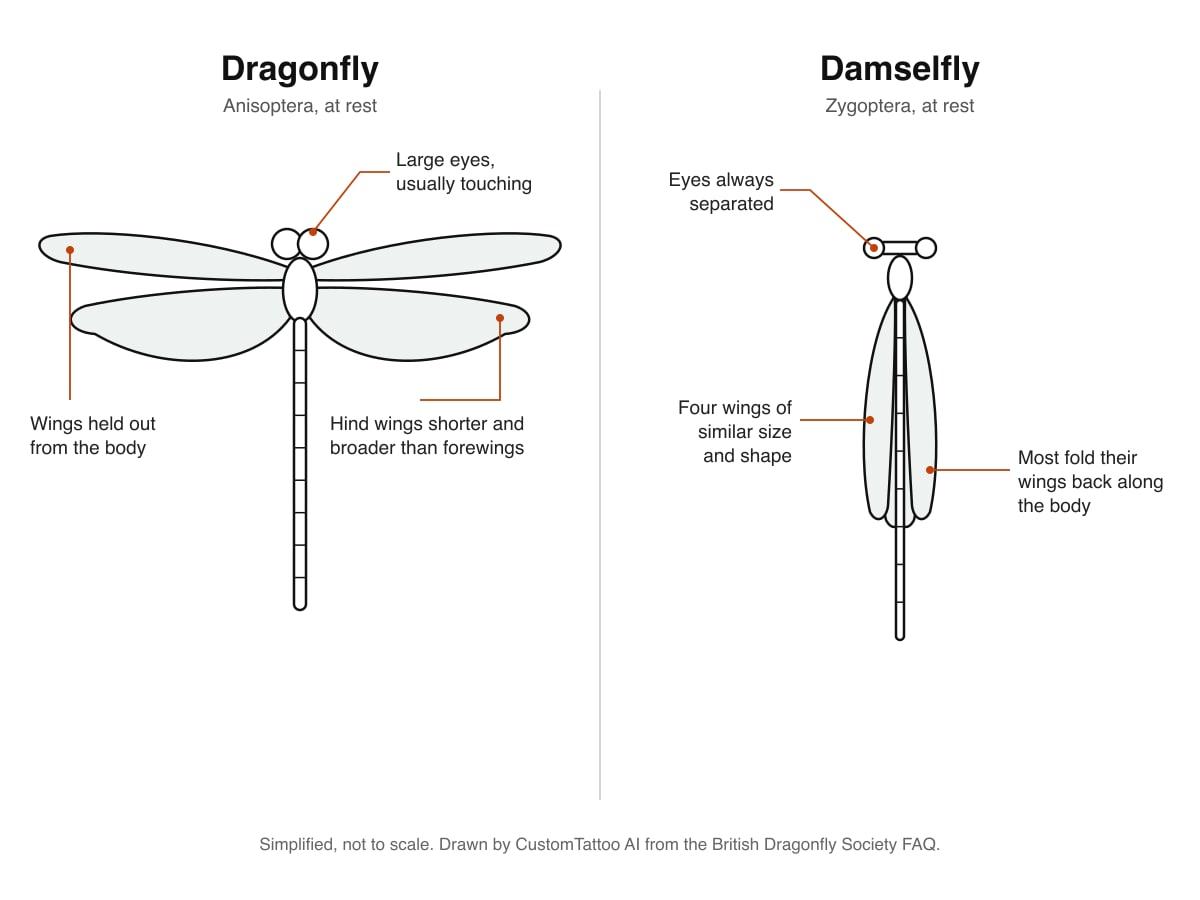
A practical point most artists make: wing veins are the first detail to blur. At small sizes, simplify the veins and leave open space between them rather than shrinking a detailed wing. When the design is ready, the tattoo stencil maker turns it into clean transfer linework you can check before the appointment.
Where should I put a dragonfly tattoo?
Anywhere with room for the wings. To show what that means, we placed the same fine-line dragonfly on three body photos, each scaled to the median measurements of women in ANSUR II, the US Army body survey used in our tattoo size guide. The body photos and the dragonfly design are AI-generated; the placement and the rulers are ours, at the same scale.
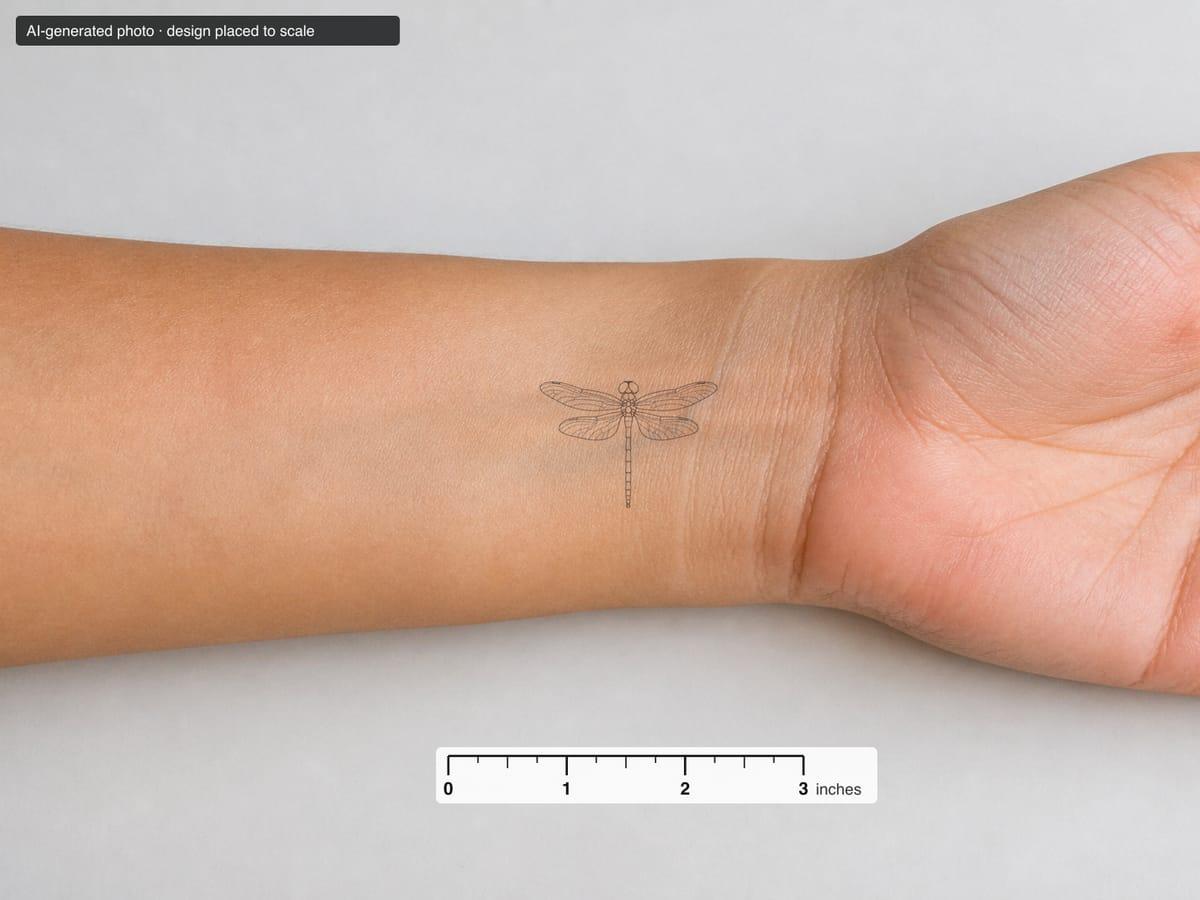 1.5 inInner wrist. The wingspan covers half of a 3.0-inch median wrist side, with room around it.
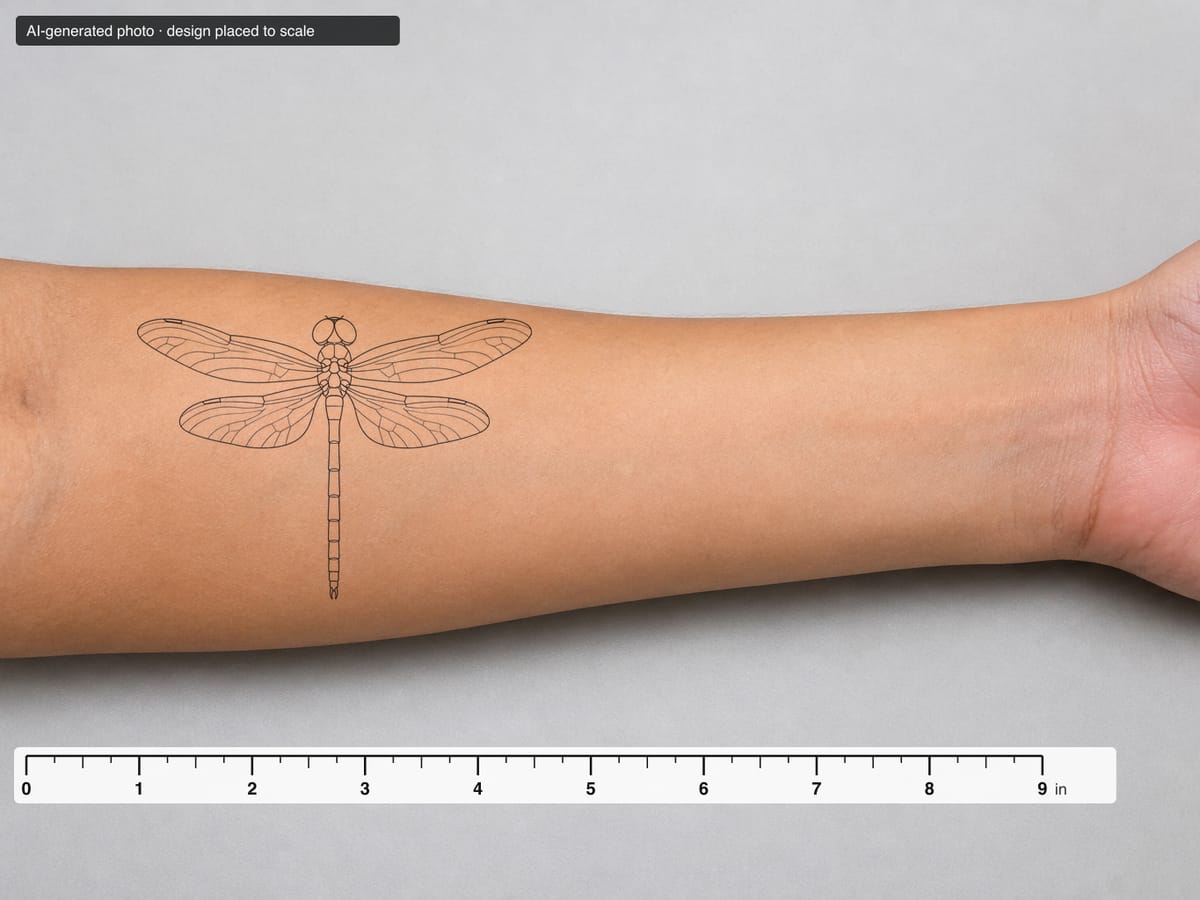 3.5 inInner forearm, 9.5 in from elbow to wrist. Here the wings run along the arm; turned across it, they would be wider than the arm looks from the front.
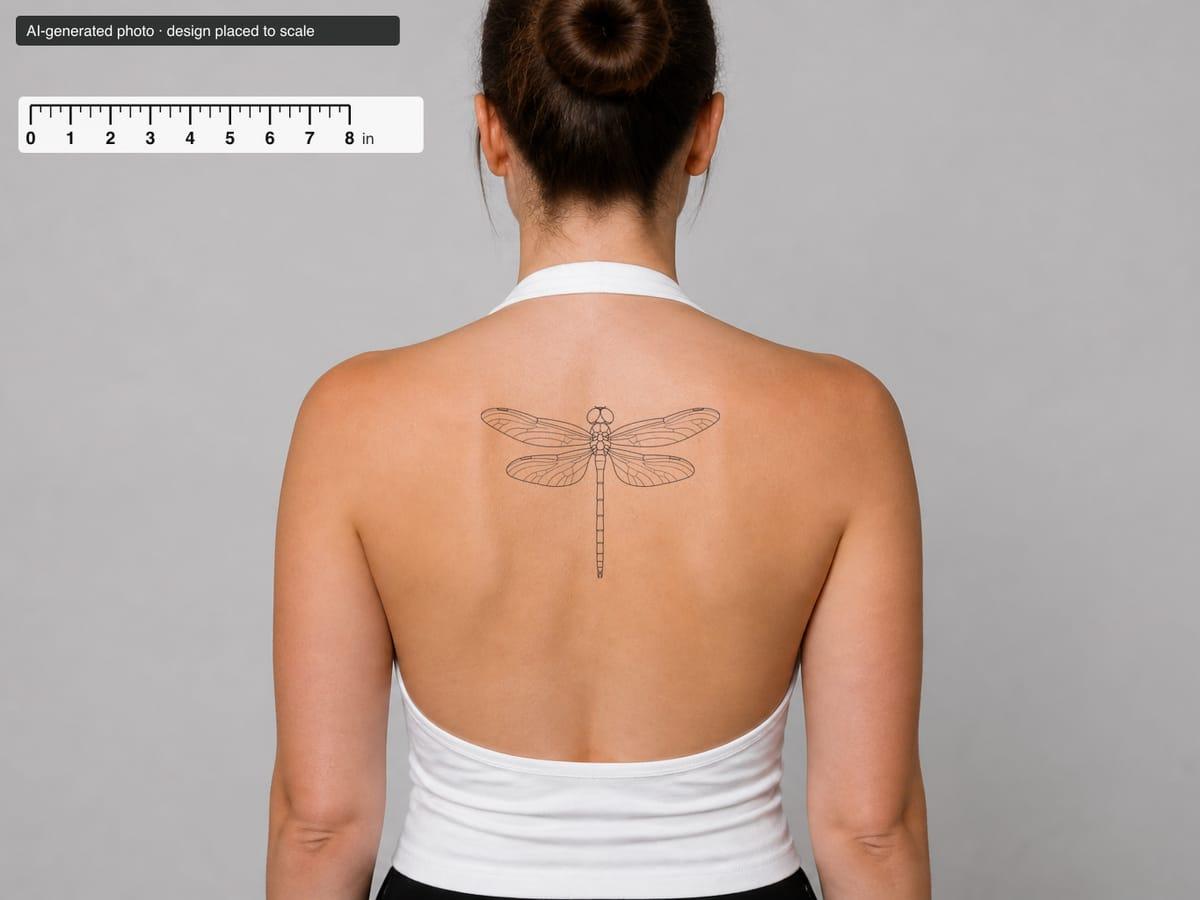 6 inUpper back, between the shoulder blades, on a 14.4-inch median shoulder width.
| Placement | Room on one side (women / men) | Pain tier | What fits (our reading) |
|---|---|---|---|
| Wrist | 3.0 / 3.5 in across | Not rated alone (hands Middle, forearms Lower) | Small dragonfly, about 1 to 2 in wingspan |
| Forearm | 9.5 × 5.2 / 10.5 × 6.1 in | Lower | 3 to 4 in, or a dragonfly with flowers or water |
| Upper arm and shoulder | 12.2 × 6.0 / 13.2 × 7.0 in | Lower | A larger shaded or Japanese-style piece |
| Ribs | No figure | Higher | A dragonfly following the ribcage |
| Ankle and foot | No figure | Middle (feet) | Small fine-line designs |
| Behind the ear | No figure | Higher (head) | Tiny designs only |
| Upper back and spine | 14.4 × 16.7 / 16.3 × 18.8 in (whole back) | Not rated | Vertical designs along the spine |
Room is the median from ANSUR II (length × half circumference, or shoulder width × neck-to-waist length for the back) as published in the size guide. The survey measured US Army personnel aged 17 to 58 in 2012, not the general population, so measure yourself too; "no figure" means the survey has no matching measurement, and we do not guess one. Pain tiers come from the tattoo pain chart, which summarizes what artists reported in Pimentel et al. (2021); they are reports, not measurements. In a survey of 1,092 tattooed people, the body area stopped predicting pain once session length, stress and bleeding were taken into account.
How big should a small dragonfly tattoo be?
There is no industry minimum; as the size guide explains, artists set their own, and the limit is the smallest detail. On a dragonfly that detail is the gap between wing veins. If those gaps close up, the wings turn into grey patches, so a tiny dragonfly should have fewer veins, not the same veins drawn smaller. For the room, one side of a median wrist is about 3.0 inches across for women and 3.5 for men, so measure the wingspan against that and leave a margin on each side. The tattoo size calculator shows a design at real size on your screen, and your artist will tell you where their own limit is.
What goes with a dragonfly tattoo?
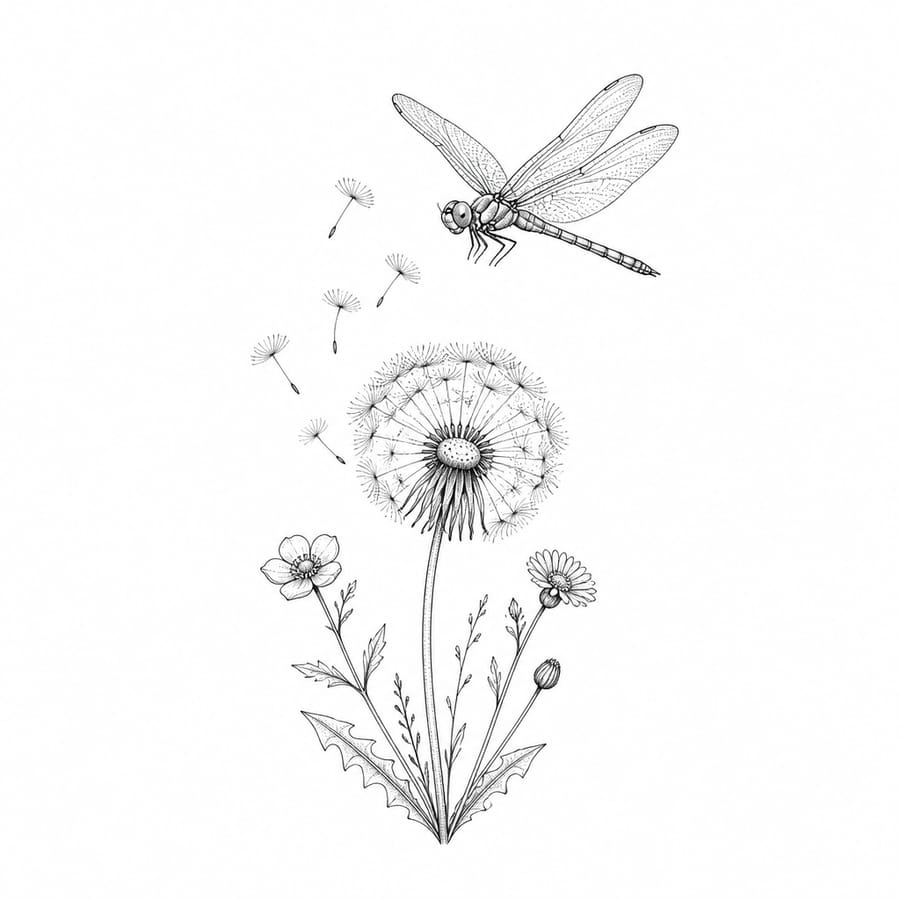
The pairings people search for most are compositions rather than meanings: flowers and dandelions, names in the wings, a heart, a fingerprint, a shadow under the insect, color washes, or the moon phases used in the celestial design in the gallery above. Only one of these has a sourced meaning, the semicolon covered above. Three examples:


Does a dragonfly tattoo hurt, and how long does it take to heal?
The placement table above gives the pain tier for each spot, from the artists' reports in the tattoo pain chart. Session length tends to matter as much as the spot, and a small fine-line dragonfly is a short session. For what to expect while it heals, see tattoo healing stages, and follow your artist's aftercare instructions.
How much does a dragonfly tattoo cost?
Size and detail drive the time, and time drives the price. A small dragonfly will often cost the shop minimum rather than an hourly total, while a large shaded or color piece is billed by the hour. Our tattoo cost guide compares the minimums and hourly rates of 25 US studios, and the tattoo price calculator gives an estimate for your size and style.
Related tattoo ideas and guides
Spider Lily Tattoo Ideas
Another nature motif with roots in Japanese culture.
Honeycomb Tattoo Ideas
Geometric cells that pair well with insects and flowers.
Evil Eye Tattoo Ideas
A small symbol that fits the same wrist and ankle spots.
Fine Line Tattoos
How thin single-needle work holds up, and how small it can go.
Wrist Tattoo Placement
Room, visibility and wear for small wrist designs.
First Tattoo Guide
What to plan, ask and expect before your first appointment.
Sources
- British Dragonfly Society, "Life cycle and biology" · checked November 6, 2026
- British Dragonfly Society, "Frequently asked questions" (dragonflies vs damselflies, stinging, folk names, Bacon 1626) · checked November 6, 2026
- Manggha Museum of Japanese Art and Technology, "Akitsushima. The Island of Dragonflies" exhibition (2026) · checked November 6, 2026
- The Metropolitan Museum of Art, Helmet (Kawari-kabuto) Surmounted by a Dragonfly, object 2018.833.9a–d · checked November 6, 2026
- The Metropolitan Museum of Art, Open Access API record for object 27591 (public domain status, credit line) · checked November 6, 2026
- Minneapolis Institute of Art, Helmet (17th century), via Google Arts & Culture · checked November 6, 2026
- Arizona State Museum, "Sustaining Life": Water Iconography · checked November 6, 2026
- Calouste Gulbenkian Museum, René Lalique, "Dragonfly" corsage ornament (c. 1897–1898) · checked November 6, 2026
- Project Semicolon, home page (semicolon meaning, 988 crisis line) · checked November 6, 2026
- ANSUR II anthropometric survey, OPEN Design Lab, Penn State · checked November 6, 2026
- Pimentel et al., "Tattoo pain" taxonomy, Frontiers in Virtual Reality (2021) · checked November 6, 2026
- Witkoś and Hartman-Petrycka, survey of 1,092 tattooed people, IJERPH (2020) · checked November 6, 2026
Dragonfly tattoo FAQ
What does a dragonfly tattoo mean?+
Most often change and transformation, because a dragonfly spends one to two years underwater as a larva before becoming a flying adult for a week or two (British Dragonfly Society). In Japan it was the samurai's victory insect. Many people also choose it for a fresh start or to remember someone; those are personal interpretations.
What does a dragonfly symbolize in Japan?+
Strength and victory. Japan's oldest chronicle, the Kojiki, records the earliest known name of the country, Akitsushima, the Island of Dragonflies, and samurai called the dragonfly kachimushi, the victory insect, traditionally because it was said never to fly backward. It appears on helmets, armor and sword fittings.
Do dragonflies symbolize death?+
Not in any tradition we could source. In much of Europe, especially Nordic and Germanic folklore, dragonflies were seen as sinister and sometimes linked to the devil, and Dutch still lifes used them as reminders that life is short. Using one as a memorial tattoo is a modern personal choice.
What goes with a dragonfly tattoo?+
Common pairings are flowers or a dandelion, names or dates in the wings, a semicolon, a heart, a fingerprint, moon phases or water. Only the semicolon has a documented meaning: Project Semicolon uses it as a reminder that a difficult chapter does not have to be the last.
Where is the best place for a small dragonfly tattoo?+
The inner wrist, ankle and behind the ear suit small designs. One side of a median wrist is about 3.0 inches across for women and 3.5 for men (ANSUR II), so a 1 to 2 inch wingspan leaves room around it. Simplify the wing veins at small sizes so they do not blur together.
How do I make sure my tattoo is a dragonfly, not a damselfly?+
Draw the hind wings shorter and broader than the forewings, hold the wings out from the body, and make the large eyes touch. Damselflies have four similar wings, usually folded back along the body at rest, and eyes that are always separated (British Dragonfly Society).
Tattoo planning tool
Design your own Dragonfly tattoo
Describe your idea, generate it in any style, and preview it on your own skin before the needle.
Generate for freeFree to start
Explore more tattoo ideas
- Guardian Angel Tattoo IdeasA guardian angel tattoo represents protection, faith and watching over loved ones.
- Fear God Tattoo IdeasA fear god tattoo expresses reverence and devotion, "fear" here meaning awe and respect rather than terror.
- Spider Tattoo IdeasA spider tattoo is a bold symbol of patience, creativity and resilience.
- Evil Eye Tattoo IdeasAn evil eye tattoo is a protective symbol meant to ward off negativity and bad luck.